How To Use A Jump Starter For Fourth Of July Road
Nothing ruins a Fourth of July road trip faster than turning the key in a hot parking lot and hearing that dreaded clicking sound. Between running the air conditioning on full blast, charging multiple devices on your car chargers, and listening to the radio while waiting for the fireworks display, vehicle batteries take a beating during summer road trips. As a mechanic, I see it every year: dead batteries stranded at campsites, boat ramps, and rest stops. Knowing how to use a portable jump starter properly is the difference between a five-minute delay and a ruined holiday weekend.
Quick Answer
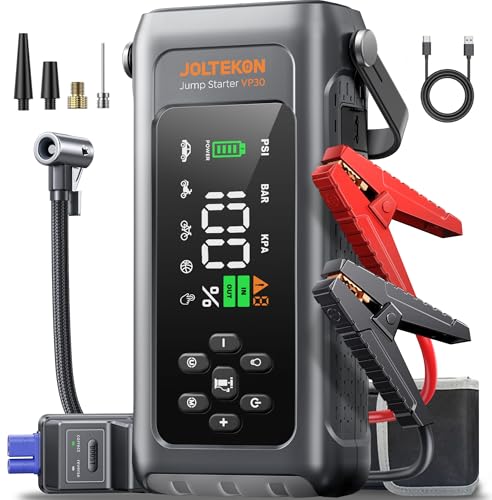
To use a portable jump starter, ensure both the unit and your vehicle are turned off, connect the red positive clamp to the dead battery's positive terminal, and the black negative clamp to an unpainted, solid metal ground on the engine block—never directly to the dead battery. Turn on the jump starter, crank the engine for no more than 5 seconds, and once the engine starts, immediately disconnect the negative clamp first, followed by the positive. Keep the engine running to let the alternator recharge your battery before you hit the road.
Table of Contents
Safety Inspections Before You Connect Anything
Before you even open the carrying case, look under the hood. If the battery is swollen, bulging, or you smell rotten eggs (sulfur gas), back away and call a tow truck. A compromised battery can explode when subjected to the massive electrical load of a jump start. Also, check the terminal connections; if your battery posts are covered in heavy corrosion, use a terminal cleaning brush or a wire brush from your car cleaning kits to scrub them down so the clamps can actually make metal-to-metal contact.
Next, check your jump starter's charge level. These lithium-ion batteries lose charge over time, especially if left in a hot trunk. If you stored yours next to your trunk organizers or car covers all winter, it might only be at 50% capacity. Plug it into your wall outlet or one of your high-output car chargers the night before your trip to ensure it has enough amperage to turn over a hot engine.
Step-By-Step: Making The Connection
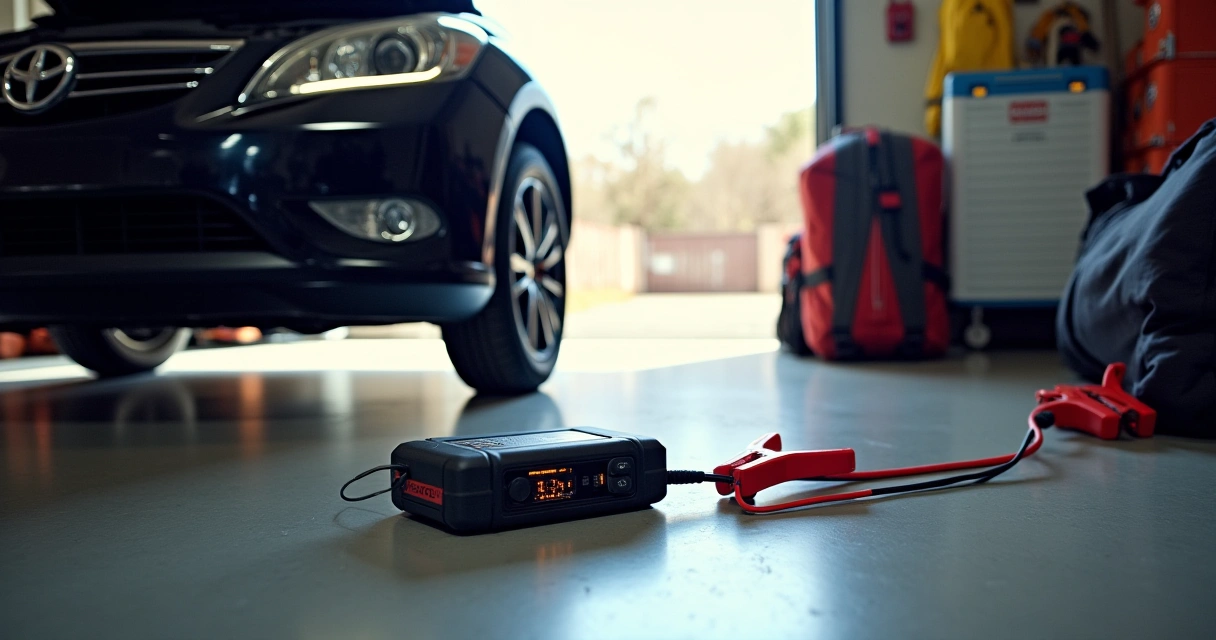
The order of operations is critical to prevent arcing and damage to your vehicle's electrical system. First, make sure the vehicle's ignition is completely off and the key is out of the ignition. Turn off all accessories—radio, AC, headlights, and unplug everything from your car chargers and dash accessories. Turn the portable jump starter unit itself to the "off" position.
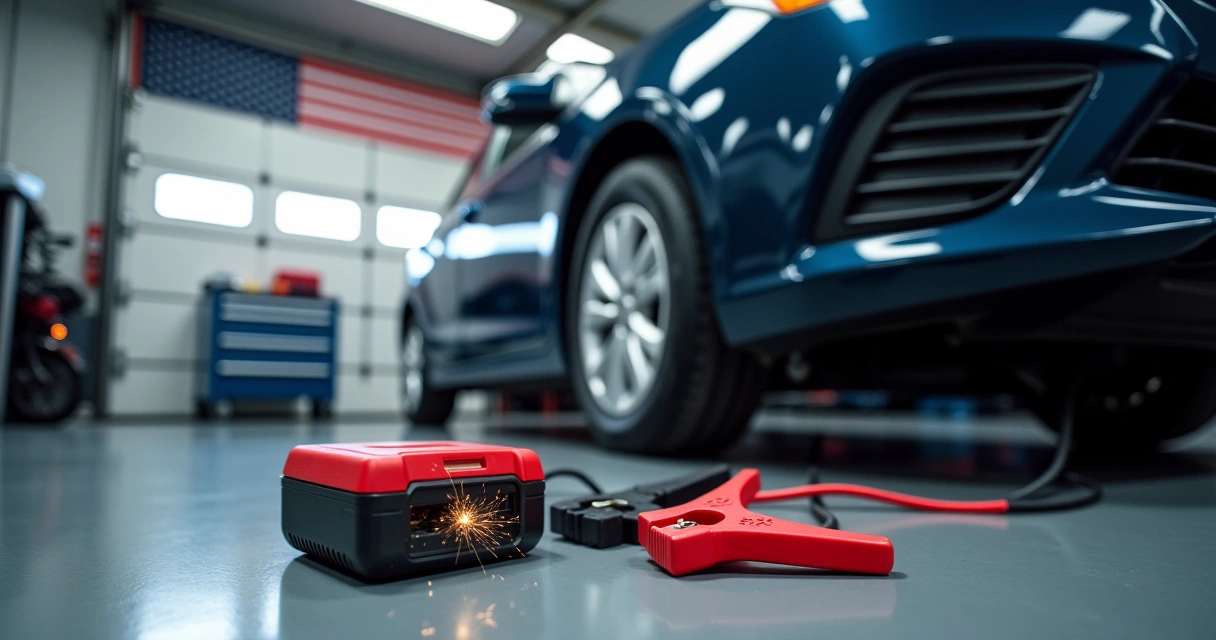
Connect the red clamp to the positive (+) terminal on the dead battery. Next, connect the black clamp to a solid, unpainted metal ground on the engine block or a dedicated grounding lug—usually a bare brass bolt attached directly to the chassis or engine. Do not connect it directly to the negative (-) terminal of the dead battery. Doing so creates a spark right next to a battery that could be off-gassing hydrogen, which is an explosion hazard.
Once both clamps are securely attached with a good, tight bite, turn the jump starter unit on. Wait about 10 to 15 seconds. This allows the unit to analyze your battery voltage and send a small pre-charge to the dead cells if it has a "smart" feature. Have your assistant get in the driver's seat and turn the key to crank the engine. Do not crank for more than 4 to 5 seconds at a time. If it doesn't start, wait 30 seconds to let the jump starter cool down and the vehicle's fuel system prime, then try again.
What To Do Once The Engine Starts
The moment the engine catches and holds a steady idle, immediately turn off the jump starter unit. Remove the black negative clamp from the engine ground first, then remove the red positive clamp from the battery. Doing it in this exact order prevents any accidental shorting if the clamps bump together during removal.
Do not shut the engine off right away. You need the vehicle's alternator to do its job and put a surface charge back into the battery. Let the engine run for at least 15 to 20 minutes, preferably at highway speeds, before you make any stops. If you are parked at a crowded fireworks show or a campsite, let it idle while you load up your car vacuum cleaners and pack up your tailgating gear.
Why Modern Cars Need Special Attention
Jumping an old carbureted V8 from the 1980s is different from jumping a modern vehicle with complex computer modules. Today’s cars—like a 2019 Ford F-150, a Toyota RAV4, or a BMW 3 Series—have dozens of sensitive Control Area Network (CAN) bus modules that operate on low voltage. Surging 12-14 volts into a completely dead system improperly can fry a Body Control Module (BCM), costing you thousands in dealer repairs.
Aftermarket jump starters are generally safe, but OEM-level quality matters. Cheaper units lack reverse polarity protection, short-circuit protection, and voltage spike protection. If you are driving a luxury vehicle or a modern European car, invest in a high-quality unit with built-in safety modules and a "smart" error-detection system that will refuse to send power if the clamps are hooked up backward.
Real-World Fourth of July Power Demands
Summer heat destroys batteries from the inside out, but driver habits are what actually kill them. During a Fourth of July road trip, you are likely running the air conditioning on max, plugging two phones into a dual-port car charger, and maybe even running a 12V portable car vacuum cleaner to clean sand off your car floor mats. All of this puts a massive parasitic draw on the alternator and battery.
If you park, roll up the windows, and leave your dash accessories running while you watch a parade, your battery will drain below the critical 12.0-volt threshold needed to start the engine. Furthermore, if your car phone mounts are blocking your air vents, your phone might be heat-soaking, causing you to charge it faster and draw more power. Be mindful of your electrical load. Before you shut the car off, turn off the AC and unplug your devices to ease the load on the starter during your next ignition cycle.
Frequently Asked Questions
Can a jump starter damage my car's computer?
If used incorrectly, yes. However, modern high-quality lithium jump starters have built-in safety features like reverse polarity and spark-proof technology. Always connect the negative clamp to a chassis ground away from the battery to prevent voltage spikes near the vehicle's main computer modules.
How long should I let my car run after a jump start?
At an absolute minimum, let the engine run for 15 minutes. Driving at sustained highway speeds for 30 to 45 minutes is the best way to ensure the alternator properly recharges the battery so it can hold a start on its own.
Can I use a jump starter in the rain?
Most portable jump starters are designed to be used in light rain or damp conditions, but they are not fully waterproof. Keep the unit itself as dry as possible. Keep it under the hood or use an umbrella to shield the connections while you hook up the clamps.
Why is my jump starter beeping when I hook it up?
A beeping sound usually indicates a safety error. The most common cause is reversed polarity (you have the red clamp on the negative terminal). It can also mean the unit detects a completely shorted battery cell or the voltage is too high/low for the unit to safely operate. Check your connections immediately.
Does the vehicle's engine size dictate the jump starter I need?
Yes. A 2.0-liter four-cylinder engine requires far less cranking amperage than a 6.2-liter V8 truck engine. Always check the Peak Amps and Cranking Amps ratings on the jump starter to ensure it matches or exceeds your vehicle's requirements.
Can I use my jump starter as a regular battery charger?
No. A jump starter is designed to deliver a massive, short burst of amperage to turn the starter motor. It is not a trickle charger. If you need to restore a battery from dead to full over several hours, you need a dedicated plug-in battery charger or battery maintainer.
Having a reliable jump starter in your trunk is just as important as keeping your windshield wipers fresh or your car phone mounts secure for navigation. By following the correct connection sequence and understanding the electrical demands of your specific vehicle, you can safely recover from a dead battery and get back to enjoying your Fourth of July road trip in minutes. Inspect your jump starter's charge level before you pack the car for the holiday, and make sure your battery terminals are clean—it takes five minutes of preventative maintenance to save hours of roadside frustration.