How To Choose Car Covers For Fourth Of July Travel
Fourth of July weekend means road trips, fireworks, and parking your vehicle in unfamiliar lots for hours—or even days—while you celebrate. As a mechanic, I see the aftermath every July: baked-on sap, acid rain etching, and stray ash from fireworks ruining clear coats. Choosing the right car cover for Independence Day travel isn't about keeping your garage queen dust-free; it's about field-protecting your paint from brutal summer sun, sudden thunderstorms, and crowded holiday parking lots.
Quick Answer
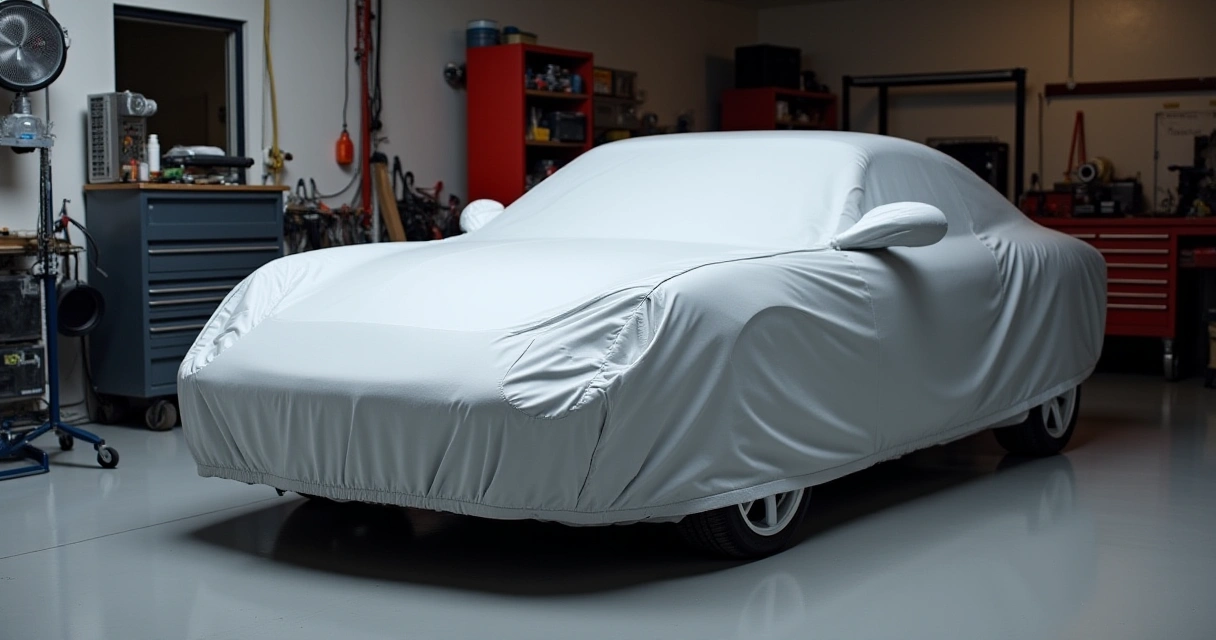
For Fourth of July travel, you need a breathable, multi-layer outdoor car cover with UV and water resistance—not a cheap plastic tarp. Look for a custom-fit model specific to your vehicle's body style to prevent wind friction from sanding your clear coat. Focus on breathable synthetic materials like polypropylene to block summer storm rain without trapping humid air underneath, which causes mildew and baked-on moisture.
Table of Contents
Outdoor vs. Indoor Protection: Why Material Matters
If you’re taking a road trip, an indoor dust cover is completely useless. Indoor covers are usually single-layer cotton or flannel. They will instantly soak through during a summer downpour, and the sun will bake that moisture right into your paint, causing water spots and eventual clear coat failure. You need a dedicated outdoor cover.
The best outdoor materials are multi-layer spunbond polypropylene or polyethylene. These materials are woven tightly enough to shed water from sudden July thunderstorms, but porous enough to let trapped heat and condensation escape. A good cover will also feature a soft inner lining to protect against micro-scratches. If you have a classic car or a soft convertible top, this inner lining is non-negotiable.
Fitment: Universal vs. Custom Covers
A loose car cover is worse than no cover at all. If you park at a crowded beach or a fireworks show and the wind is whipping a loose cover against your paint, it acts like sandpaper. Universal covers are a false economy; they billow in the wind, leave gaps for moisture, and often drag on the ground, picking up grit that transfers back to your car.
Custom-fit covers are designed using the exact dimensions, mirrors, and antenna placements of your specific make and model. For example, if you drive a 2021 Jeep Wrangler Unlimited, a custom cover will account for the oversized spare tire and aftermarket lift kits if specified. If you drive a 2019 Ford F-150, the cover will be cut to accommodate the extended cab and standard bed length without excess fabric pooling by the rear wheels.
OEM vs. Aftermarket Quality
Dealerships will sell you an OEM cover for $200 to $400. These are usually high-quality, custom-tailored pieces, often branded with the manufacturer's logo. However, they are rarely the best value for money. Aftermarket specialists like Covercraft, WeatherShield, or Budge offer equivalent or superior materials for a fraction of the OEM price.
When comparing OEM to aftermarket, look at the warranty. A reputable aftermarket cover will offer a 4-to-5-year warranty against UV degradation and seam failure. The fitment is often identical because both OEM and aftermarket companies use the same CAD data from the vehicle manufacturers to design their patterns. Skip the OEM badge and invest in the material quality.
Summer Hazards: UV, Storms, and Fireworks
Fourth of July brings specific environmental hazards. UV rays are at their peak, which will rapidly fade interior dash plastics and crack leather seats if you don't use a sun shade, but they also bake and degrade the exterior clear coat. A cover with a high UPF rating is essential for extended parking lots.
Then there are the fireworks. Ash, sulfur, and chemical residues from nearby fireworks displays fall from the sky and are highly acidic. If this stuff lands on your paint and gets wet from dew or rain, it etches into the clear coat overnight. A car cover acts as a sacrificial layer. When you pack up to head home, just shake it out and use a car vacuum cleaner to suck up any residual dust before stuffing it back in the trunk.
Securing Your Cover on the Road
Nothing is more frustrating than stepping out of your hotel room to find your car cover blown three lots over. Proper tie-downs are critical. Most quality covers feature elastic hems at the front and rear, but you need mid-body tie-downs for high-wind areas. Look for covers with integrated grommets or a belly strap.
Run the tie-down strap underneath the chassis, not through the wheels, to prevent the buckle from marring your rims or rubbing against your car floor mats if they are stored inside. Additionally, ensure your cover fits tightly around the mirrors. A tight mirror fit prevents wind from catching the front corners and turning the cover into a sail.
Frequently Asked Questions
Will a car cover scratch my paint?
Only if the car is dirty or the cover is loose. If you apply a cover over a dusty vehicle, the wind will cause the fabric to rub the dust into the clear coat, causing micro-scratches. Always wash or quick-detail your car before putting the cover on, and ensure the fit is snug.
Can I put a cover on a wet car?
You can, but you shouldn't leave it on for more than a day. Breathable covers allow moisture to escape, but the humid environment under the cover will accelerate the formation of water spots. If you must cover a wet car, take the cover off to dry completely as soon as the rain stops.
How do I clean my outdoor car cover?
Clean it on the car. Lay it over your vehicle, use a soft brush and mild dish soap mixed with water to scrub off bird droppings and sap, and rinse it off with a hose. Remove the cover and let it hang dry completely before folding it up. Never put a car cover in a washing machine.
Do I need to remove my aftermarket antenna?
Most custom-fit covers are designed to accommodate factory antennas, often including a reinforced patch. However, if you have a heavy-duty CB antenna or a large aftermarket whip, you will likely need to unscrew it before covering the vehicle to prevent tearing the fabric.
Is it safe to use a car cover in a public parking lot?
It depends on the location. While a cover protects against sun and ash, it can also draw unwanted attention by hiding the vehicle's identity. In a secure hotel lot, it's fine. In a remote trailhead lot, a cover might make your vehicle a target for theft.
What's the difference between water-resistant and waterproof covers?
Water-resistant covers shed light rain but allow air to pass through, preventing mold and mildew. Waterproof covers are usually coated in plastic or polyurethane, which traps condensation underneath and will rust your car from the inside out. Always choose water-resistant, breathable materials.
Choosing the right car cover for your Fourth of July trip comes down to selecting a breathable, custom-fit outdoor layer that shields your paint from fireworks ash, UV rays, and sudden summer storms. Ditch the universal tarps and invest in a multi-layer polypropylene cover with proper tie-downs to ensure your clear coat survives the holiday weekend unscathed. Before you hit the road, pack up your trunk organizer, verify your car phone mounts are secure, and pull that cover tight—your paint will thank you when you get home.