How To Jump Start A Dead Car Battery For Fourth Of
There is nothing worse than turning the key in a hot parking lot on the Fourth of July and hearing that sluggish click of a dead battery. In my thirty years turning wrenches, I've seen countless holiday road trips die before they even start because of corroded terminals or a parasitic draw from a cheap dash accessory. Knowing how to properly and safely jump-start a vehicle using jumper cables or a portable lithium jump starter is fundamental car maintenance—whether you're driving a pristine weekend cruiser with custom car covers and leather seat covers, or a daily driver hauling coolers and trunk organizers to the lake.
Quick Answer
To jump-start a dead car battery, connect the red (positive) jumper cable to the dead battery, then the red to the good battery, followed by the black (negative) to the good battery, and finally the black to an unpainted metal ground on the dead car. Start the working vehicle, wait two minutes, and then start the dead vehicle. Always connect negative last and away from the battery to prevent dangerous sparks near explosive hydrogen gas.
Table of Contents
Inspecting the Battery and Terminals
Before you even pop the hood on your Chevy Silverado or Honda Civic, look at the battery. If the plastic case is bulging or swelling, do not attempt to jump it. A bulging battery means it has overheated and the internal plates are warped, which makes it a severe hazard for leaking sulfuric acid or exploding. If you see heavy white, green, or blue corrosion on the terminals, you need to address it before trying to pass high-amperage current through it.
Corrosion acts as an insulator. If your clamps can't get a clean bite on the lead terminal post, your jump-start will fail. Keep a cheap terminal brush in your trunk organizer or roadside emergency kit to scrub the posts and the inside of the cable clamps. If you are dealing with side-post batteries common on GM vehicles, ensure the bolts are free of rust so the jumper cables can thread properly or clamp securely to the side terminals.
Jump Starting with Traditional Cables
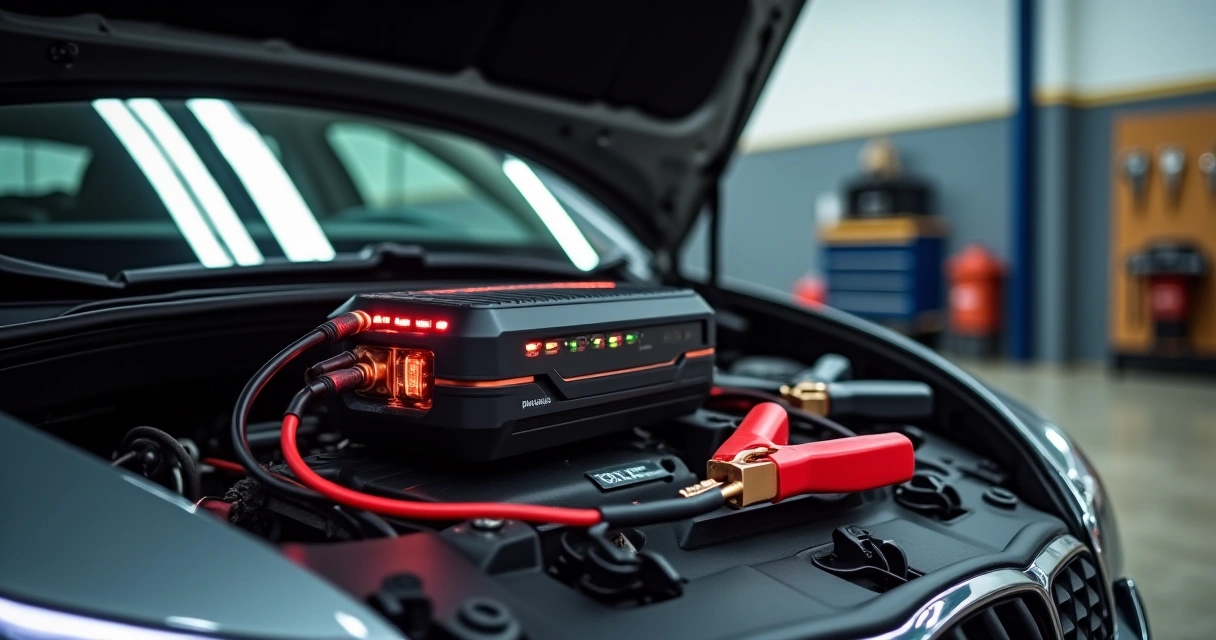
Using jumper cables requires a second vehicle, which means you are at the mercy of a Good Samaritan. Quality matters here: cheap 10-gauge cables from a big-box store will heat up and fail to deliver enough cranking amps to start a V8 engine. Buy 4-gauge or 6-gauge copper cables. Once you have the vehicles nose-to-nose, turn off the donor vehicle. Connect the red clamp to the positive (+) terminal of the dead battery, then the other red clamp to the positive of the good battery. Next, connect the black clamp to the negative (-) terminal of the good battery. Finally, connect the last black clamp to a solid, unpainted metal surface on the engine block or chassis of the dead car.
Never connect the final negative clamp directly to the dead battery's negative terminal. When you complete the circuit, it creates a spark. Car batteries vent highly flammable hydrogen gas, and a spark directly over the battery can cause it to explode, showering you and your engine bay in acid. Once connected, start the donor car and let it idle for two to three minutes to push some surface charge into the dead unit. Then, start the dead car.
Using a Portable Jump Starter Pack
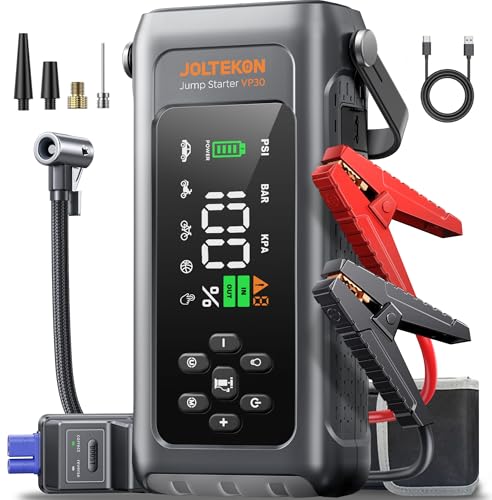
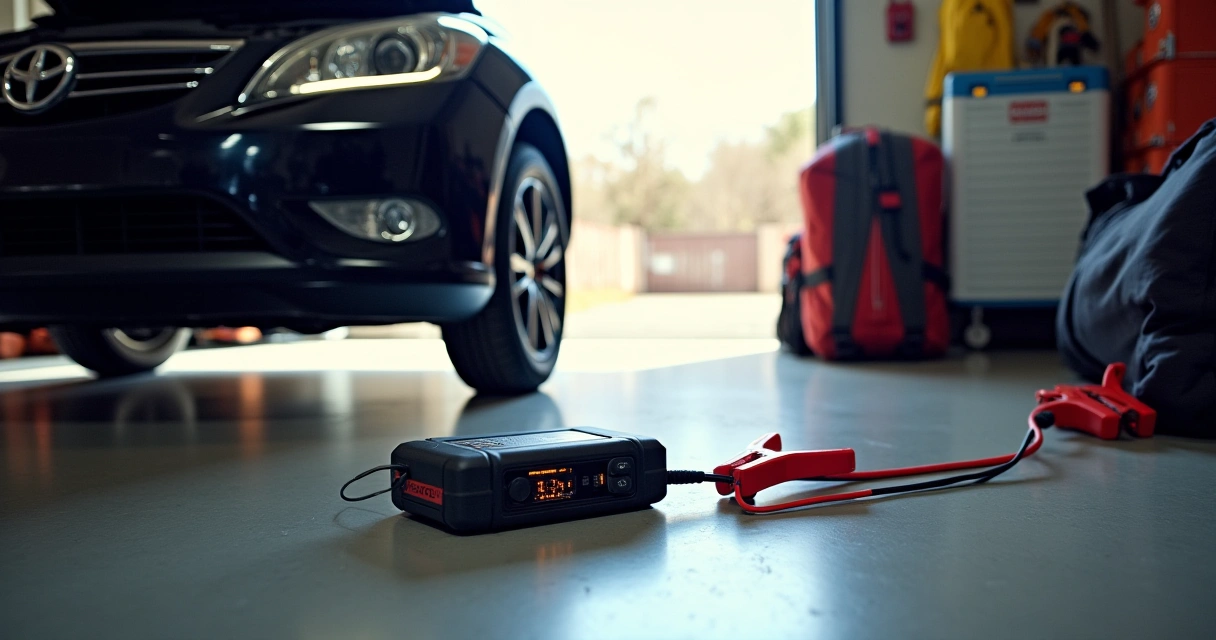
If you don't want to rely on someone else, a modern lithium-ion jump starter box is the best investment you can make for Fourth of July travel. Unlike old, heavy lead-acid power packs, a modern NOCO or similar brand jump starter is small enough to fit in a door pocket or inside a car vacuum cleaner carrying case. These packs deliver massive cold cranking amps (CCA) in short bursts, easily starting a dead 5.0L Ford Mustang or a 3.5L EcoBoost.
Using a jump pack is much safer and simpler than traditional cables. Simply connect the red clamp to the positive battery post and the black clamp to the negative post. Plug the battery cables into the jump pack, wait for the green light to indicate a solid connection, and press the boost button if the battery is completely at zero volts. Turn the key, and the engine will fire right up. Disconnect the pack immediately once the engine is running. Keep it charged at home using your standard wall outlet or a 12V car charger before you hit the road.
Post-Jump Diagnostics and Charging
Once the engine is running, you aren't out of the woods yet. The alternator is now doing all the heavy lifting to recharge a deeply depleted battery. Do not immediately turn on high-draw accessories like the blower motor, rear defroster, or plug in multiple car chargers. Let the engine fast-idle for at least 10 to 15 minutes to build up a baseline charge.
To know if your battery is actually holding a charge, you need to test it. Keep a basic multimeter in your toolbox, or better yet, plug a cheap OBD2 scanner into the port under your dash. A healthy running charging system should output between 13.8 and 14.4 volts. If the voltage drops below 12.6 volts while the engine is running, your alternator is failing. If the system charges fine but the car won't start again the next morning, your battery has a dead cell and needs to be replaced.
Preparing Your Vehicle for Summer Heat
Summer heat is just as brutal on a battery as winter cold. High underhood temperatures increase the rate of internal plate corrosion and evaporate the electrolyte faster. If your battery is older than three or four years, take it to an auto parts store for a free load test before you pack the car with luggage, coolers, and the family. An ounce of prevention beats waiting in a hot parking lot.
Take ten minutes to prep the rest of the vehicle. Ensure your tires are properly inflated, top off your windshield wiper fluid to clear summer dust and bugs, and replace worn windshield wipers that will otherwise streak your windshield in sudden summer thunderstorms. Clean out the interior with a good car vacuum cleaner and use a sunshade under your windshield wipers when parked to protect your steering wheel covers and dash accessories from UV degradation.
Frequently Asked Questions
Can jumping a car fry the computer or electronics?
It is highly unlikely if you connect the cables correctly. However, crossing the cables (putting positive on negative) will instantly fry sensitive modules, melt wires, and destroy your ECU. Always double-check the + and - markings on the battery posts before completing the circuit.
How long should I drive to recharge a dead battery?
You need to drive at highway speeds for at least 30 to 45 minutes. Idling in your driveway does not spin the alternator fast enough to provide a deep, meaningful charge. Short trips will leave the battery undercharged, leading to a repeated failure the next morning.
Do I need to replace my battery after a jump start?
Not always. If you left an interior dome light on overnight, a simple jump and a good drive will restore the battery. However, if the battery died from normal use while driving, it has likely lost its capacity and needs replacing. Have it load-tested to be certain.
Can I jump start a car in the rain?
Yes. The 12-volt electrical system on a passenger vehicle does not have enough voltage to push current through standing water and electrocute you. Just ensure the battery terminals are dry enough for the jumper clamps to get a tight, metal-to-metal grip.
Is a portable jump starter better than jumper cables?
For independence and safety, yes. A portable jump pack allows you to start your car without waiting for a second vehicle. It also prevents voltage spikes from a running donor car from entering your electrical system, protecting your aftermarket head units and dash accessories.
Dealing with a dead battery on the Fourth of July is a quick fix if you keep a cool head and follow the proper connection sequence. Inspect your terminals for corrosion, connect positive first, negative last, and always ground that final clamp away from the battery. Once you get the engine running, let the alternator do its job before you head out on the highway. Before your next summer road trip, pick up a reliable lithium jump starter and throw it in your trunk—it’s the best piece of insurance you can buy for your vehicle. Check out our other guides for more practical tips on keeping your car running smoothly all year round.