How To Choose The Right Seat Covers
Seat covers aren’t just about looks. They’re the first line of defense for your upholstery, resale value, and daily comfort. A bad set can trap moisture, rub seams open, or even interfere with safety systems. A good set protects what you already have and makes cleanup a quick job—important when you drive a family vehicle like a Toyota Camry or a Ford F-150 with kids and dogs in tow.
Choosing the right seat covers comes down to fitment, material quality, and real-world value. This isn’t about hype; it’s about knowing what actually works in a modern car—from front bucket seats in a Honda Civic to the 60/40 split rear bench in a Toyota RAV4. I’m Mike Dalton, and I’m keeping it practical: model-specific fit, durable materials, and clear guidance on OEM vs aftermarket quality.
Table of Contents
Fitment and Seat Types
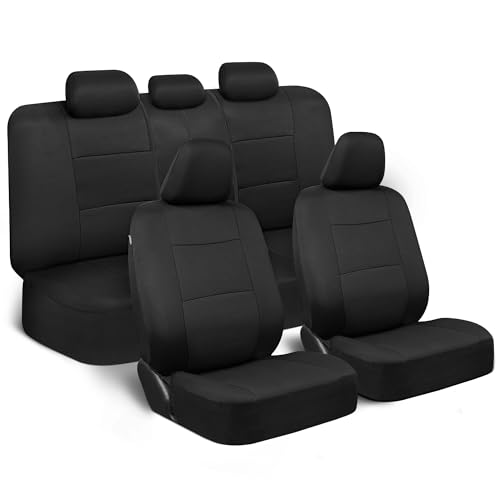
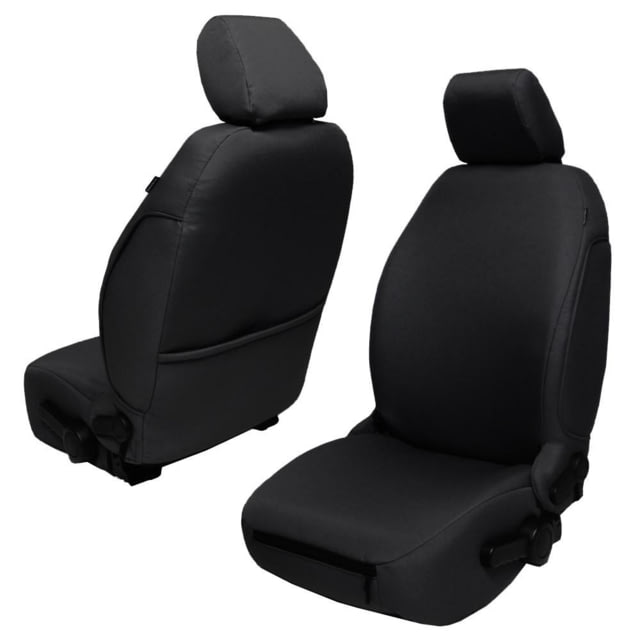
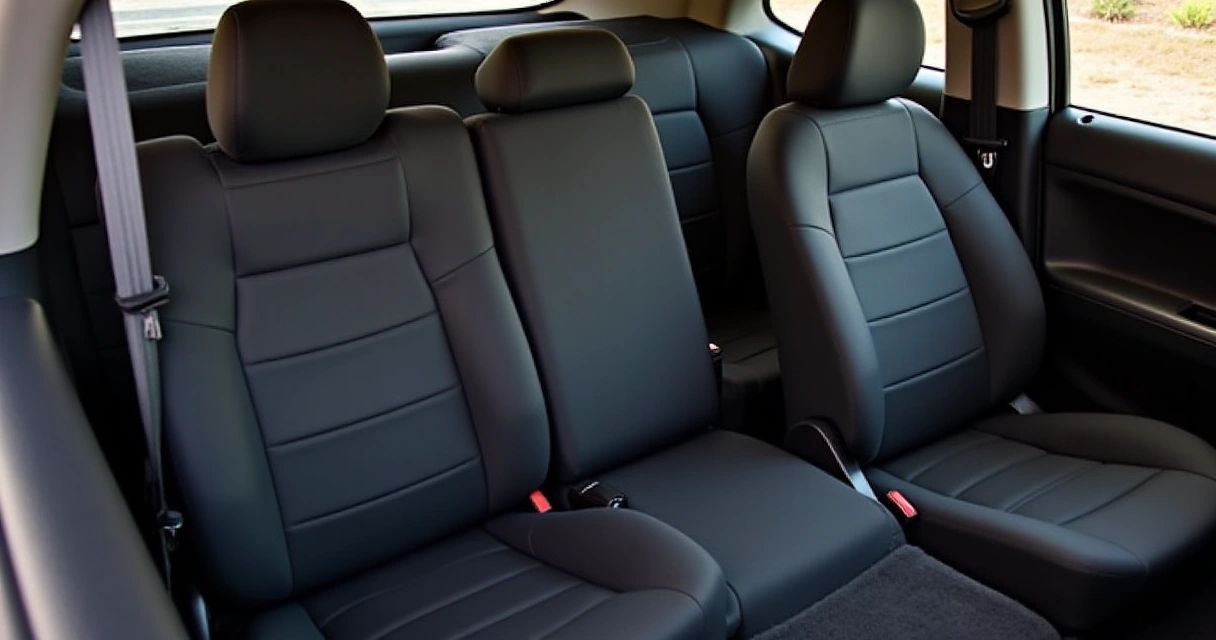
Front seats on sedans and compact cars are rarely identical from year to year. Bucket seats with integrated headrests, 60/40 split benches, or a full 40/20/40 rear setup all demand different patterns. For a 2018 Honda Civic, for example, you’ll want a model-specific pattern that accounts for the curved seat back and the built-in headrest. A universal cover often lacks either the correct cutouts or elastic tension at the bottom, and those gaps are where slip and wear start.
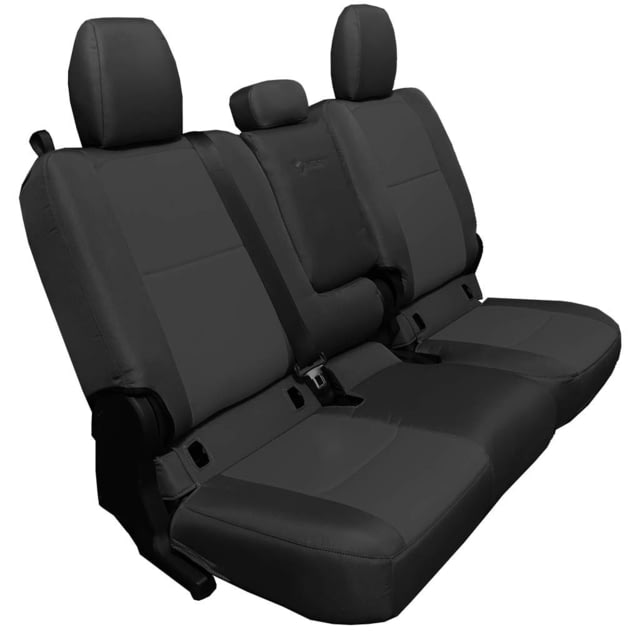
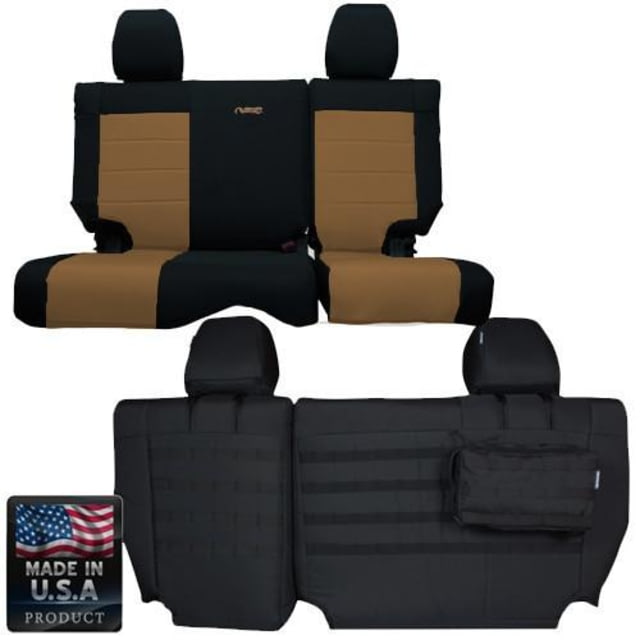
Model-specific patterns are worth the extra wait or cost if you drive a pickup like a Ford F-150 Crew Cab or a Jeep Wrangler with rugged seating. In those trucks, the rear bench and fold-down center, plus integrated seat belts or cupholders, create a tangled fit that universal covers simply can’t resolve. If you drive a 2020 Toyota RAV4 with a 60/40 rear bench, check for separate bottom and back panels that accommodate the split, not a single “one-piece” sheet.
Airbags and seat belts drive the most critical fit decisions. Front-seat airbag systems need covers with proper cutouts or stretch panels that don’t restrict deployment. If a listing promises “universal” fit for a car with side airbags, treat it as a red flag unless the packaging explicitly says “airbag compatible.” Pro Tip: Always verify that the product lists “airbag compatible” and matches your exact seat type (bucket vs bench, split vs solid) for your year and trim.
Material and Durability
Material choice drives long-term value more than anything else. Neoprene and heavy-duty vinyl (leatherette) are the two workhorses for most daily drivers. Neoprene offers water resistance, decent abrasion resistance, and relatively easy cleaning—hand wash or a quick wet wipe and you’re done. Leatherette looks closer to real leather but can crack or delaminate in harsh sun if you don’t pick a UV-stable option and apply conditioner periodically.
Canvas, denim, and durable polyester blends excel in work trucks or SUVs that haul pets and gear. They’re typically more forgiving when it comes to spills and mud, and they’re often the most budget-friendly long-term choice. For hot climates, perforated or breathable fabrics reduce heat buildup under the cover, which is a real comfort win on a July commute in a Nissan Altima or a Hyundai Elantra.
If you’re after the premium feel, genuine leather seat covers exist, but they rarely outperform a high-quality leatherette in everyday practicality. They require conditioning and care and can become slick in winter. For most buyers, a well-made neoprene or leatherette with reinforced seams provides the best balance of feel, durability, and ease of cleaning—without the eye-watering price tag of OEM leather or high-end aftermarket leather options.
Safety, Airbags, and Heaters
Modern cars rely on seat-mounted airbags and built-in seat heaters. A cover that doesn’t account for those features can block deployment or reduce heating efficiency. Always choose covers specifically advertised as airbag compatible for the exact seat type you own. Front seats with side airbags require precise cutouts or stretch panels that won’t bunch or tear during deployment.
The compatibility with seat heaters is another gotcha. Thick, non-breathable fabrics can insulate the seat and dull heater response, leaving you chilly in the morning or forcing the system to work harder. If you regularly use heated seats, prioritize low-profile, breathable materials or a model-specific cover designed to preserve heater function. For example, a 2017 Honda Civic with heated front seats benefits from a cover that’s thin where the heater coils sit and has proper hole placement for the buttons or controls.
When in doubt, contact the manufacturer or check the exact model’s FAQ. Don’t assume a generic “airbag-safe” label covers your year and trim. I’ve seen too many instances where a cover fit “close enough” but compromised the airbag path or seized a heater switch, turning a quick cleanup into a safety hassle.
Installation, Pattern Quality, and Value
Installation time isn’t a luxury feature—it’s part of the long-term value math. Two-piece front-seat patterns (bottom and back) tend to be easier to fit on bucket seats, while a single-piece cover can struggle with folding rear seats or center consoles in a Crew Cab pickup. When installing, start with the bottom cushion, align seams with chair seams, then pull the backrest up into place. Secure any straps or hooks behind the seat seams so they don’t interfere with seat controls or airbags.
Quality matters as much as pattern. Double-stitched seams, robust straps, and non-slip backing keep covers in place through sharp turns and kids’ moves. OEM-pattern covers made by the original equipment suppliers are typically the best-fit, but they’re seldom available at a reasonable price. Aftermarket, model-specific patterns are the sweet spot for most buyers: they deliver near-OEM fit at a fraction of the cost, and many brands publish detailed fit notes for vehicles like the Toyota Camry, Honda Accord, and Ford F-150. Always read reviews that reference your exact year and trim—the difference between a good and a great fit often comes down to a single seat contour or a tiny dash of fabric around a seat belt anchor.
Value for money is about expected life, not just upfront price. A $100 set that lasts two years isn’t a steal; a $200 set that lasts five is. For families, dogs, and daily commuters, I typically steer toward reinforced, easy-clean materials with dependable warranty and a straightforward return policy.
Care, Cleaning, and Longevity
Maintenance keeps seat covers looking sharp and performing well. Neoprene and leatherette cleanups are typically quick: wipe with a damp microfiber cloth and a mild soap solution. Avoid harsh chemicals and never throw these covers in a hot dryer; heat can warp elastic, degrade adhesives, or cause leatherette to crack. Canvas and denim require a bit more attention—brush out loose dirt and rinse with a hose, then air-dry away from direct sun to prevent fading and fabric wear at edges.
Colorfastness matters. If you’re choosing darker colors for a family SUV like a Nissan Pathfinder or a Subaru Forester, you’ll appreciate hides that resist fading and stain-resistant finishes. Light colors can look great but show stains quickly, and some fabrics can dye transfer onto clothes, so check the dye stability in real-world tests or reviews before committing.
Wash frequency should reflect use. In a dog-friendly vehicle, you may wash more often; in a car that’s just used for commuting, quarterly cleanings may suffice. Always follow the manufacturer’s care instructions—some materials permit machine washing on gentle cycles, while others require hand washing or professional cleaning. If you’re unsure, start with spot-cleaning and test a small, inconspicuous area first.
Frequently Asked Questions
Are seat covers safe with airbags?
Yes—only if they are explicitly labeled as airbag compatible for your seat type. Avoid universal covers that don’t specify airbag compatibility, especially for front seats with side airbags.
Will seat covers affect heated seats?
Sometimes. Thick or non-breathable materials can reduce heating efficiency. If you use heated seats, choose low-profile, breathable fabrics or model-specific patterns designed to work with seat heaters.
How do I know if a seat cover fits my car?
Check the listing for model-specific patterns and trim notes. Read reviews that reference your exact year and model (e.g., 2019 Honda Civic EX with heated front seats). If in doubt, contact the seller before purchase.
How long do seat covers typically last?
Durability depends on material and use. Neoprene and canvas can last 3–6 years with heavy daily use; leatherette 2–5 years; genuine leather is usually longer but requires more care.
Do seat covers void the vehicle warranty?
Most OEM warranties are not voided by seat covers by themselves, but covers that interfere with airbags, sensors, or heating elements can complicate warranty claims. Always verify compatibility with safety systems and consult your dealer if you’re unsure.
Conclusion: With the right fitment, material, and installation, seat covers protect your interior without compromising safety or comfort. Start with model-specific patterns for your ride, pick a material that fits your climate and lifestyle, and verify airbag and heater compatibility. If you’re unsure, lean toward reputable aftermarket options with clear fit notes for your vehicle—your Toyota Camry, Ford F-150, or Honda CR-V will thank you.
Top Picks for This Topic
As an Amazon Associate we earn from qualifying purchases at no extra cost to you.