

Best Seat Covers for Everyday Use
🏆 Top Picks at a Glance
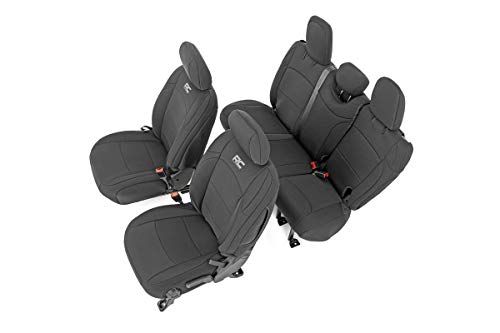 #1
#1
Best Overall
Bartact Rear 4 Door Seat Covers f/ plus Jeep Gladiator w/Fold Arm Rest Black
$264.95
Check Price → #2
#2
Runner Up
Coverado Seat Covers Full Set, Black Seat Covers for Cars 5 Seats, Car Seat Protector, Waterproof Nappa Leather Car Seat Cushion, Front and Rear Car Seat Cover Fit for Most Sedans SUV Pick-up Truck
$153.77
Check Price → #3
#3
Best Value
Bartact Jeep JKU Seat Covers Rear Split Bench 2017 Wrangler JKU Baseline Performance Black
$45.99
Check Price →Our Top Picks
Affiliate disclosure: if you buy through these links, we may earn a commission at no extra cost to you.
Factors to Consider
Fitment and Vehicle-Specific Compatibility
⚡ Quick Answer
Start with a custom-fit design tailored to your exact seats. Custom-fit covers have precise headrest, armrest, and seatbelt buckle cutouts to avoid slippage and to allow airbags to deploy. Check whether your ride has a 40/60 split bench vs bucket seats, as aftermarket universal fits often fail to cover contours cleanly on models like the Honda Civic, Toyota Camry, or Ford F-150. If you have memory seats, seat heaters, or special trim, verify patterns and openings match your model’s features.
Table of Contents
Material Quality, Durability, and Spill Resistance
Look for materials with real-world durability: neoprene and marine-grade vinyl offer water resistance and easy cleanup, while leatherette can look premium but may crack in extreme heat. Double-stitched seams and reinforced edges dramatically extend life under daily use in a mid-size sedan or a compact SUV. For high-spill households or pet owners, choose water-repellent coatings and a non-slip backing to reduce movement; breathability matters in hot climates to avoid sweating against fabric.
Airbag, Sensor, and Safety Compliance
Only buy seats labeled as airbag-safe or SRS-compatible when you have seats with side airbags or center airbags. Improper aftermarket covers can hinder airbag deployment or interfere with seat sensors, so avoid universal-fit designs on modern vehicles. For real-world safety, choose covers with documented testing to maintain full airbag function in popular platforms like the Toyota Camry, Honda Accord, and Ford F-150. If your vehicle uses occupancy or heating sensors, verify the cover allows those sensors to function normally.
Installation, Maintenance, and Cleanability
Opt for a kit that includes clear installation guides and retention straps or hooks rather than relying on elastic alone. Custom-fit covers typically install in 15–40 minutes with basic tools, and most are machine washable or spot-cleanable; avoid heat-drying fabrics unless the care tag allows it. For active families or pets, choose machine-washable microfiber or neoprene options to simplify cleaning after daily use in a Crew Cab pickup or compact SUV.
Value, Warranty, and OEM vs Aftermarket Tradeoffs
OEM covers often cost more but deliver exact factory-fit aesthetics and guaranteed compatibility with trim features. Aftermarket custom-fit options usually balance price and fit well when you pick proven brands; universal options tend to be the riskiest for fit and longevity. Check warranties—an indication of material and seam protection for a daily driver like a Honda Civic or Toyota Corolla can save you headaches down the line. In short, for most daily drivers, a well-made custom-fit aftermarket neoprene or leatherette cover offers the best value without sacrificing performance.
Frequently Asked Questions
1. Do seat covers work with heated seats?
Yes, but only if the cover is specifically designed for heated seats or has perforations and cutouts that avoid insulating the heater elements. Thick, non-perforated covers can reduce heat transfer and may trigger seat heater faults on some models. Always verify compatibility with your model’s heater wiring before purchase.
2. Will seat covers interfere with airbags?
Seat covers that are not airbag-safe can impede deployment. Look for "airbag compatible" labeling and manufacturer testing; avoid universal-fit options on vehicles with side airbags. For safety, choose a cover designed for your exact model and seat configuration, and follow the supplier’s installation instructions.
3. OEM vs aftermarket: which is better?
OEM covers tend to fit the exact seat shape and maintain factory aesthetics, but they can be pricey. Custom-fit aftermarket covers from reputable brands often provide similar fit and protection at a lower cost, making them the best value for most daily drivers. If resale value matters, consider OEM for the original look, otherwise a high-quality aftermarket option can suffice.
4. Are universal-fit seat covers worth it?
Universal fits can work for some sedans but often bunch, slip, or leave gaps on bucket seats or rear benches. For vehicles with unusual shapes (crews, trucks with adjustable rear seats), skip universal and go for custom-fit. If you must choose universal, pick models with strong retention straps and a high fabric weight to reduce movement.
5. How durable are neoprene seat covers?
Neoprene is resistant to water, stains, and UV fading, making it a solid choice for daily drivers and dogs. Durability hinges on seam quality and backing; look for double-stitched seams and a non-slip backing. In hot climates, choose breathable neoprene to minimize heat buildup and sweating.
6. Is installation difficult?
Most custom-fit covers install without removing the entire seat, though some models require partial seat removal or backrest adjustments. Expect 15–40 minutes for a typical two-row SUV; follow the included diagrams to prevent misalignment. After installation, recheck belt buckles and airbags to ensure full range of motion remains intact.
7. Do seat covers affect sensors or interior electronics?
Some seats have occupancy, heating, or lumbar sensors that can be affected by bulky covers. Ensure the cover allows access to these features and does not cover sensor zones. If in doubt, consult your vehicle’s service manual or dealer guidance before covering seats with complex electronics.
Conclusion
For everyday driving, prioritize a custom-fit, durable seat cover with airbag compatibility and easy maintenance. In most cases, a mid-range neoprene or leatherette aftermarket option delivers the best balance of fit, protection, and value—especially for popular models like the Camry, Civic, or F-150.


