

Seat Covers Buying Guide: What to Look For in 2026
🏆 Top Picks at a Glance
 #1
#1
Best Overall
Our Top Picks
Affiliate disclosure: if you buy through these links, we may earn a commission at no extra cost to you.

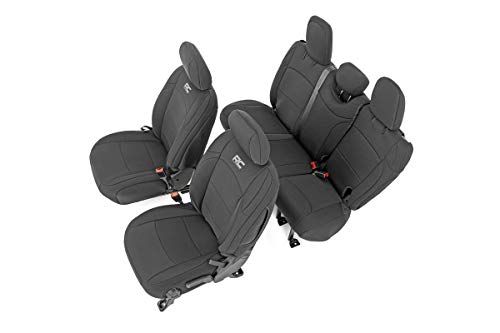
Bartact Rear 4 Door Seat Covers f/ plus Jeep Gladiator w/Fold Arm Rest Black
$264.95
Check Price →
#2
Runner Up
Bartact Jeep JKU Seat Covers Rear Split Bench 2017 Wrangler JKU Baseline Performance Black
$45.99
Check Price → #3
#3
Best Value
Bartact Jeep Seat Covers Rear Bench 13-18 Wrangler JK 2 Door Tactical Series Black/Black
$167.99
Check Price →⚡ Quick Answer
Table of Contents
Bartact Rear 4 Door Seat Covers f/ plus Jeep Gladiator w/Fold Arm Rest Black
$264.95Check PriceSection 1: Fitment — Custom-fit vs Universal
The most important thing with seat covers is fit. A loose or ill-fitting cover not only looks sloppy but can create rubbing, zipper abrasion, and even interference with airbags. If your car has side airbags in the seat, or a rear bench with a complicated split, you need a model that’s specifically rated for those features. Look for “airbag compatible” or “SRS-safe” on the packaging and verify this with the manufacturer’s fitment notes for your exact model year.
For higher-end interiors—say a BMW 3 Series or a Subaru Outback with contoured seats and integrated headrests—avoid universal, one-piece solutions. True “custom-fit” sets from brands like Covercraft or Coverking are patterned to align with seat contours, buckles, and seat controls. If you’re unsure, measure your seat dimensions and compare to the product’s fitment chart, then cross-check along the sides where the seat has the most contour and any airbags or heating elements.
Section 2: Materials — Leatherette, Neoprene, Fabric & Leather
Material choice drives durability, spill resistance, heat retention, and maintenance. Leatherette (synthetic leather) looks premium, but it can crack if the sun gets brutal and you don’t condition it. In hot climates, matte or grained finishes fare better than glossy vinyl, which can heat up and make the sitting surface uncomfortable. For families with kids and regular messy spills, a heavy-duty fabric or neoprene cover tends to wipe clean faster and resist staining better than plain leatherette.
Neoprene is a standout for all-weather use. It’s water-resistant, durable against abrasion, and relatively easy to wipe down. The drawback is bulkier seams and sometimes a less “premium” feel. If you’re chasing a sportier interior, a thin, high-grade faux leather with a textile backing can strike a balance between feel and durability. For luxury interiors or high-end upholstery (think a 2021-2024 Audi A4), you might opt for a genuine leather cover if the fabric underneath is already premium—though genuine leather seat covers are rarely the most practical solution for families due to care needs and heat sensitivity.
Fabric options vary widely in weave density and stain resistance. 600D or 900D polyester blends with a tight weave hold up well to daily duty and pet hair; waterproof linings behind the fabric layers help with quick cleanups. If you’re after UV resistance and colorfastness, choose seat covers with a UV-stabilized finish and color-matching dyes that won’t bleed onto light-colored upholstery after a sun-soaked summer.
Section 3: Installation, Safety, and Maintenance
Installation should be straightforward, but it’s where many buyers run into issues. Custom-fit sets usually install with minimal stretching and align with seat contours, while universal covers require more adjustment and may need extra straps or under-seat anchors. If your seat has integrated airbags, heated elements, or power-adjustable cushions, ensure the cover has cutouts or thread-through slots that don’t interfere with operation.
Safety comes first. Even the best-looking cover can ruin required airbag deployment if it’s not designed for your seat. Look for explicit airbag compatibility in the product highlights and avoid anything that covers the airbag seam or pressurizes the side airbag housing. For heated seats, check that the fabric doesn’t cover heating elements or block the seat’s heat distribution. In vehicles like the 2020 Toyota RAV4 or 2022 Hyundai Palisade, a poorly installed cover can throw off the sense of seat heat or heater function at the wrong moments.
Maintenance matters too. Machine-washable fabric covers are convenient, but many leatherette and neoprene options require wiping with mild soap and water or a dedicated cleaner. Regular brushing or light vacuuming removes pet hair quickly, and quick wipe-downs prevent staining from coffee or kid snacks. If you’re uncertain about care instructions, follow the manufacturer’s care guide to avoid warping or color transfer after washing.
Section 4: OEM vs Aftermarket — Value, Warranty, and Quality
OEM seat covers, when available for a given model, typically offer the best fit and color/texture match. They’re designed to align with your car’s exact seat geometry and leather/cloth types. The downside is price and sometimes limited color options. In many trims, you’ll find OEM options via dealer accessory catalogs or licensed partners; they tend to be more expensive but the guarantee of fit and function is solid.
Aftermarket seats vary widely in price and quality. Reputable brands like Covercraft, Coverking, Carhartt, and FH Group provide seat covers across a price spectrum. Custom-fit sets from these brands usually cost more than universal covers, but they’re still often far cheaper than OEM gear and offer predictable fitment and color-matching. If you want a rugged, work-ready setup for a 2015-2020 Ford F-150, a Carhartt or 3D MAXpider branded liner system might be the best compromise between durability and fit, especially for a vehicle that sees heavy daily use.
When comparing value, look beyond price: inspect stitching quality, zippers, and the number of anchor points. Poor stitching or low-strength elastic will fail long before the seats do. Warranty length is another sign of confidence from the maker; a 2- to 5-year warranty for aftermarket sets is common, with longer coverage often signaling premium construction. On a vehicle like a 2021 Subaru Forester with sun exposure, colorfastness and UV stabilization become part of the “value” equation as much as raw durability.
Section 5: Vehicle Type and Use-Case Buying Guide
Vehicle type and how you use the car should drive your decision. For compact sedans like the 2020 Corolla or 2019 Civic, a well-fitting fabric or leatherette with tight seams is often enough to resist daily wear and provide quick cleanups after commute spills. For family SUVs such as the 2021 Honda Pilot or 2020 Volkswagen Atlas, prioritize waterproof top layers, easy-clean surfaces, and robust back-seat protection for pets and kids. Trucks—think 2019-2024 Ford F-150 or Ram 1500—benefit from heavy-duty fabrics or neoprene with reinforced seams, especially on the driver’s seat and the captain’s chairs where wear is highest.
For performance-oriented interiors (think BMW 3 Series, Audi A4, or sportier trims), you’ll want seat covers that mimic the feel of the original upholstery while maintaining a tight, racecar-like fit. If you regularly drive in sun-drenched climates, UV-stable materials and dark colors can resist fading better; lighter colors show stains more easily, though they make the cabin feel brighter. For vehicles with heated seats, ensure the cover doesn’t interfere with heat flow and includes heat-safe openings or breathable fabrics that won’t trap warmth beneath the cover.
Finally, consider resale value. A well-installed, properly fitted seat cover in good condition rarely hurts resale and can even help protect against UV fading and dye transfer. In contrast, a sloppy installation with exposed stitching can lead to a “cheap look” that buyers notice quickly. Plan your purchase around your vehicle’s model year, seat configuration (split vs solid), and your typical usage patterns.
Frequently Asked Questions
Do seat covers affect airbags or safety systems?
Yes. If a cover isn’t designed for your seat’s airbag system, it can hinder deployment. Always choose airbag-compatible options and verify that the product specifies compatibility with your exact model and year.
Will seat covers interfere with heated seats?
Some covers block heating elements or reduce heat transfer. Look for covers with clear openings or thin, heat-tolerant materials specifically listed for heated seats.
Are OEM seat covers worth the extra cost?
OEM options often offer the best fit and color match, but they’re usually pricier. If you value exact texture, color, and guaranteed fit, they’re worth it; otherwise, a high-quality aftermarket set with a solid warranty is typically a better value.
What’s the best material for a family car?
Neoprene or heavy-duty fabric with a waterproof top layer is ideal for families. They resist spills, are easy to wipe clean, and survive frequent vacuuming better than lighter fabrics.
How do I measure for the right fit?
Check the seat type (bucket, 60/40 split, bench), then compare with the product’s compatibility chart. For split benches, ask the seller if they have separate covers for each section to avoid bulk and misalignment.
Can seat covers improve resale value?
Yes, especially if they protect original upholstery from stains, sun fading, and wear. However, poorly fitted or cheap-looking covers can detract value, so prioritize fit and material quality.
In short, choose seat covers with a clear fitment chart for your exact year and trim, pick a material that suits your climate and lifestyle, verify airbag and heater compatibility, and weigh OEM versus aftermarket based on value and warranty. With these criteria met, you’ll protect your seats effectively and keep your interior looking sharp for years to come.
Next step: head to the manufacturer’s spec sheet for your specific vehicle—Civic, Camry, F-150, or otherwise—and compare two or three top-rated custom-fit options. Confirm airbag compatibility, heater clearance, and the return policy before you buy.
Seat covers are a practical investment when chosen with true-fit and durability in mind. By focusing on fitment accuracy, material performance, and the value offered by OEM-level compatibility versus aftermarket flexibility, you’ll make a choice that stands up to daily use and preserves your interior’s resale value. Start by listing your vehicle year/model, decide on the material you prefer, then pick a set with explicit airbag compatibility and solid warranty.


