How To Choose The Right Car Floor Mats
Floor mats aren’t just a styling cue or a seasonal nuisance. They protect the carpet, preserve resale value, and keep your pedals from getting hung up in a mess. A sloppy mat setup can cause pedal interference, soaking wet floors, or frayed upholstery that costs more to fix later. The right mats—properly fitted, built from solid materials, and backed by a sane warranty—are one of the best upgrades you can make to a daily driver.
I'm Mike Dalton, a mechanic who has installed thousands of mats on everything from budget sedans to high-end SUVs. In this guide I cut through the marketing noise and focus on fitment compatibility, material quality, and value for money. If you drive a Honda Civic, Toyota Camry, Ford F-150, or a Tesla Model 3, you’ll find concrete guidance you can use today.
Table of Contents
Fitment and Vehicle Type Considerations
There are three basic fitment philosophies: universal, semi-custom, and fully custom. Universal mats are cheap and can cover a wide range of vehicles, but they rarely fit perfectly—especially around the driver’s footwell and pedals. Semi-custom and, more importantly, fully custom-fit mats follow the exact contours of your car’s floor and integrate with any retention hooks or anchors. For a compact like a Honda Civic, a properly engineered driver’s mat will hug the footwell, include a heel pad, and avoid extending under the pedal cluster. For a full-size SUV such as a Toyota Highlander or Ford Expedition, you’ll want mats that cover the entire front floor and reach up the inner-sill area to prevent mud and debris from sneaking into the carpet corners.
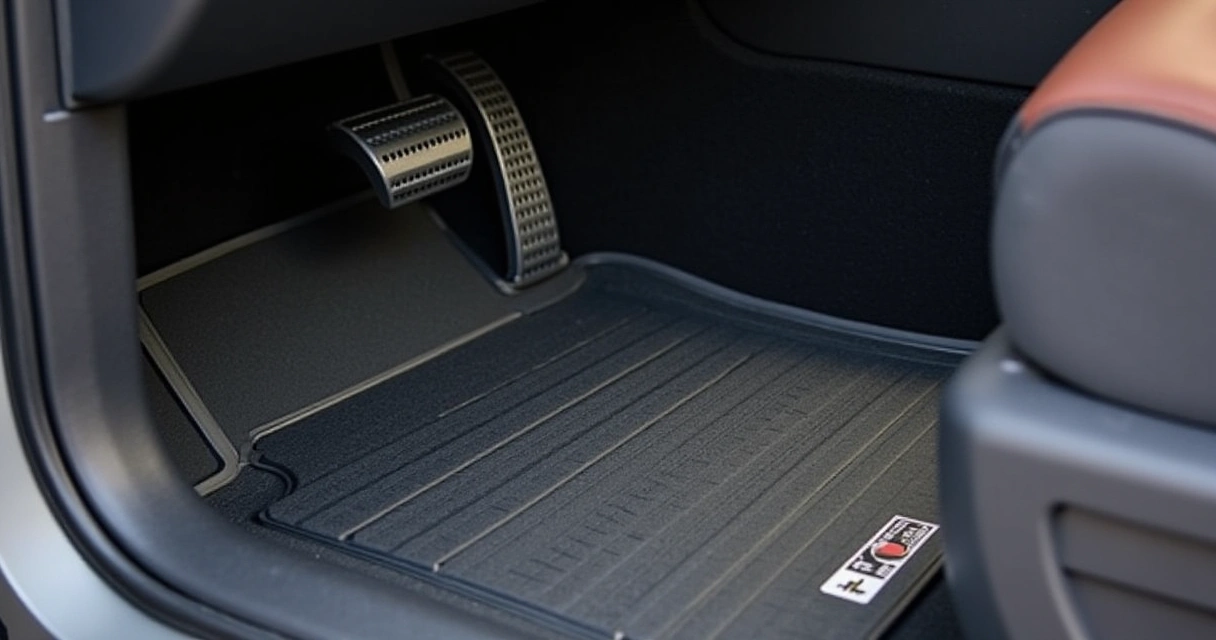
Retention points matter. If your vehicle has factory anchors, your mat should have corresponding holes or grommets. Vehicles from brands like Toyota, Honda, and Mazda commonly use anchors; failing to align with them will let the mat move and could interfere with pedals. If your car has no anchors, look for mats with high-friction backing or side grips to prevent shifting. Also pay attention to pedal clearance—especially on manuals where the clutch and brake can snag a loose mat. Measure the driver’s footwell and compare it to the mat’s footprint before you buy.
Materials and Durability
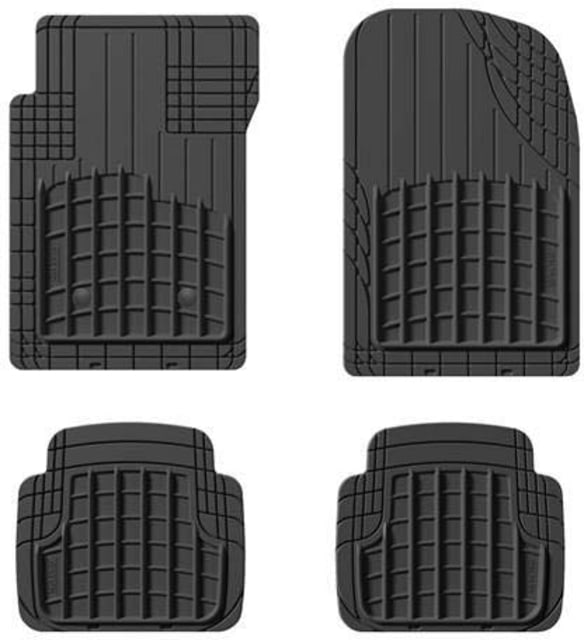
All-weather rubber or thermoplastic elastomer mats excel in wet, muddy, or salted climates. They’re easy to rinse, resist odors, and hold up to heavy use. Carpet mats feel nicer and quieter in everyday driving, but they soak up moisture and stains more readily. In regions with snow or frequent rain, most drivers are happier with a dedicated all-weather set; in drier climates, a premium carpet mat can feel more refined while still performing when needed.
Edge lip height, heel pad durability, and tread pattern are practical metrics. A tall edge lip keeps slush contained, while a well-placed heel pad reduces wear in the most abused area of the mat. Look for mats with anti-slip backing or embedded spikes that bite into the carpet, and ensure the mat’s bottom isn’t smooth enough to slide around on the carpet. If you’re shopping for a Tesla Model 3 or a BMW 3 Series, you’ll find premium options that combine a tight fit with a low-profile backing for a clean look that still stays put.
Material quality isn’t just about feeling sturdy—it's about lasting through seasons. Cheaper mats can crack, fade, or shed while higher-grade rubber or thermoplastic mats resist cracking and keep their shape. If color matching matters, note that many aftermarket mats come in black, gray, and tan, but some OEM or premium aftermarket sets offer limited color options with a closer factory look. For resale value, a set that looks like it belongs in the car and fits perfectly tends to be more appealing than a mismatched, ill-fitting set.
OEM vs Aftermarket Quality
OEM mats fit like a glove because they’re cast from the car’s own floor plan. They ship with the exact anchoring system your dealer designed and often look nearly invisible once in place. The downside is price and sometimes limited color or material choices. Aftermarket options from brands like WeatherTech, Husky Liners, and others can match or exceed OEM fitment while offering broader material choices and aggressive pricing, but you’ll sift through more variability in quality and finish across brands.
Quality aftermarket mats frequently punch above their weight for fit and durability, particularly when they’re model-specific or “digital-fit” patterns. This is where a lot of modern vehicles benefit most: a precise shape that stays out of the pedal box, a deep edge lip, and robust retention hooks. If you’re buying for a high-resale-model-class car (think Camry, Accord, or 5 Series), a reputable aftermarket set can be a hard match to OEM—sometimes at a lower price, sometimes even with a better wear warranty. The key is choosing a reputable pattern for your exact model and trim, and ensuring anchor compatibility so the mat won’t shift during driving.
Warranty and replacements vary by brand. Premium aftermarket mats often come with multi-year warranties and easy replacement policies; OEM mats typically align with the car’s original warranty window but may cost more to replace. For a one-car program or a daily commuter, a high-quality aftermarket set that fits the model precisely can offer the best balance of price, fit, and durability.
Installation, Retention, and Maintenance
Installing floor mats is quick, but the details matter. Start by removing existing mats, vacuuming the footwell, and washing the carpet to clear dirt that could abrade the new mat. Align the mat’s holes with anchors or place the mat in the correct directional orientation. Front mats should leave enough room for the pedals and allow full range of motion; rear mats should lie flat without curling up and trapping space under the seats.
Retention matters more than you think. If your car has anchors, use mats that have corresponding grommets or clips. If not, look for mats with non-slip backing or that incorporate a lip at the heel area to prevent sliding. After installation, re-check the mat’s position after a few trips—some mats settle differently after being walked on. For families with kids or frequent cargo, consider mats that are easy to remove and clean, since they’ll take most of the abuse.
Maintenance is simple: regularly shake out or vacuum mats, rinse with mild soap in warm water, and dry completely before reinstalling. In winter, a quick rinse and dry helps prevent salt buildup that can degrade carpet fibers. If you notice cracks or edge wear, replace the affected mat rather than patching it—poor edges invite moisture and wear into the carpet.
Model-Specific Tips and Buying Guide
Model-specific patterns shine when you own a Honda Civic (2016–2021), Toyota Camry (2018–2023), Ford F-150 (crew cab), or a Tesla Model 3. For a Civic, choose a driver’s mat with a reinforced heel pad and a left-side contour that matches the pedal area. For a Camry, you’ll want a long front mat that covers the heel and a second, separate passenger-side mat so the carpet under the glovebox stays protected during long trips. A Ford F-150 crew cab benefits from a full-length rear mat that protects the entire second row and a heavy-duty front mat to handle dirt from work boots. The Tesla Model 3’s flat floor and minimal center console intrusion make a low-profile mat with precise cutouts ideal, so it sits flush and won’t interfere with pedals or screen edges.
Buying guide sentiment: if you only own one car, premium custom-fit mats are worth it for the exact contours and anchor compatibility. If you own multiple vehicles, a high-quality aftermarket set with a universal sizing and model-specific pattern might be the best value. For luxury or resale-sensitive models (e.g., BMW 5 Series, Lexus ES), OEM mats can offer matched textures and fit and keep interior aesthetics closer to factory. If you want to optimize for winter, prioritize all-weather mats with deep pockets and robust heel protection; for daily commuting in a temperate climate, a top-quality carpet mat can feel premium while still offering decent moisture control.
Lastly, consider including a cargo/trunk mat or liner when you buy floor mats. A good trunk liner protects the cargo area similarly to the floor mats and keeps the whole interior protected during weekly groceries runs or weekend gear. In some packages, you’ll find a matched trunk liner that completes the interior protection set and improves resale appeal when it comes time to trade or sell.
Frequently Asked Questions
How do I know which mats fit my car model and year?
Check the product description for model-year fitment, compare to the factory floor pattern, and look for model-specific “Digital Fit” or “Custom Fit” notes. If possible, verify compatibility via the VIN or the maker’s parts catalog. For anchors, ensure your mats have compatible holes or clips with the vehicle’s retention system.
Are all-weather mats really worth it?
In climates with rain, snow, or mud, yes. All-weather mats are easier to clean, dry faster, and keep moisture from soaking into carpet. They’re also typically tougher and more resistant to cracking under salt exposure than carpet mats.
Can aftermarket mats be as good as OEM?
Often yes, especially from reputable brands with model-specific patterns. The key is choosing a respected pattern for your exact model and confirming anchor compatibility and pedal clearance. If you drive a high-end model, OEM mats can be worth the premium for perfect texture and fit.
Do floor mats affect my car’s warranty?
Generally no. Mats themselves don’t trigger warranty issues unless a non-standard installation or damage caused by mats is seen as compromising the car’s systems. Stick to mats that install cleanly and don’t interfere with pedals or sensors.
How should I clean and maintain floor mats?
Remove mats, shake out debris, vacuum both sides, wash with mild soap and water, and air-dry completely before reinstalling. In winter, rinse off salt regularly to prevent carpet fibers from deteriorating.
Should I buy front, rear, and trunk mats as a set?
Yes, for the best protection and uniform look. If cost is a concern, prioritize the front set and add rear mats later. For wagons, SUVs, or hatchbacks, a trunk liner is highly recommended to keep cargo areas clean.
In short, the right car floor mats are a balance of precise fit, durable material, and smart price. Start with your car’s anchors and footwell geometry, pick a material that suits your climate, and then weigh OEM fidelity against aftermarket options. If you want model-specific recommendations, tell me your exact make, model, and year and I’ll suggest the top 2–3 mats that fit best and won’t break the bank.