

Car Floor Mats vs Seat Covers: Which Should You Buy in 2026?
Car Floor Mats vs Seat Covers: Which Should You Buy in 2026?
Your car’s floor and seats take different kinds of abuse. Floor carpeting deals with mud, road salt, sand, moisture, and abrasion every time someone gets in. Seats deal with spills, UV exposure, pet damage, work clothing, and normal wear. That difference matters when you are deciding where to spend your first dollar on interior protection.
This comparison is for drivers replacing worn OEM accessories, buying protection for a new vehicle, or trying to preserve a used car’s resale condition. The direct answer is simple: if you can buy only one accessory initially, buy floor mats first. They address contamination that happens at nearly every entry and exit. Add seat covers afterward if your passengers, pets, work gear, or sun exposure put the upholstery at higher risk.
Affiliate disclosure: if you buy through these links, we may earn a commission at no extra cost to you.


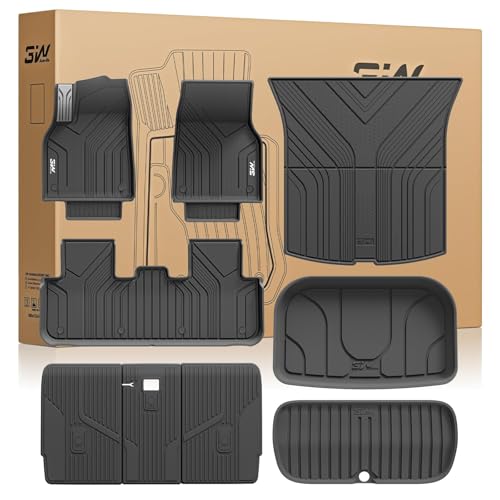
Table of Contents
- Our Top Picks
- Quick Verdict
- About Car Floor Mats
- About Seat Covers
- Head-to-Head: Protection and Coverage
- Head-to-Head: Fitment and Installation
- Head-to-Head: Durability and Maintenance
- Head-to-Head: Cost and Damage Avoidance
- Who Should Choose Car Floor Mats?
- Who Should Choose Seat Covers?
- Our Verdict
- Frequently Asked Questions
- Sources & References
Our Top Picks
Affiliate disclosure: if you buy through these links, we may earn a commission at no extra cost to you.
Quick Verdict
Choose Car Floor Mats if...
- Your main problems are mud, snow, road salt, wet shoes, sand, or work debris.
- You want the fastest installation and the easiest accessory to remove for cleaning.
- You can initially afford only one protection upgrade and want to protect the carpet and footwells first.
Choose Seat Covers if...
- Your vehicle regularly carries children, pets, food, dirty work clothing, or passengers who spill drinks.
- The factory fabric, leather, vinyl, or synthetic-blend upholstery is already showing stains, fading, or daily wear.
- Your main priority is preserving the seats rather than controlling dirt and moisture on the floor.
| Factor | Car Floor Mats | Seat Covers |
|---|---|---|
| Price Range | Approximately $40-$300 or more, depending on material and fitment. | Approximately $50-$400 or more per row. |
| Best For | Dirt, moisture, salt, sand, foot traffic, and carpet abrasion. | Spills, UV fading, pet damage, stains, and upholstery wear. |
| Setup Difficulty | Usually under 5 minutes when the set matches the vehicle. | Approximately 20-40 minutes per seat-cover row. |
| Fitment Compatibility | Vehicle-specific mats or molded liners generally provide the most reliable coverage; universal mats require more compromise. | Exact seat shape, trim, controls, headrests, and safety-system compatibility matter. Universal covers vary more in fit. |
| Expected Lifespan | Approximately 3-10 or more years, depending on quality and use. | Approximately 5-8 years, depending on quality and use. |
| Main Drawback | They do not protect the seats, door panels, or other upholstery. | They do not protect the carpet or footwells and take substantially longer to install correctly. |
About Car Floor Mats
Floor mats protect the horizontal surfaces that collect the most contamination. Shoes carry in water, grit, road salt, mud, and abrasive debris, and that material works its way into the carpet pile. A good mat provides traction underfoot, contains fluid, and keeps the factory carpet from absorbing the mess. It interfaces with the carpet pile, rubberized underlayment, or molded plastic tray beneath it, so shape and retention matter more than a low sticker price.
Quality floor mats are designed to maintain their shape across a wide temperature range, approximately -40°F to 176°F. That dimensional stability matters in a Toyota Camry parked through a Midwest winter just as much as it does in a Ford F-150 exposed to summer heat. A mat that curls, slides, or blocks a pedal is not a bargain. Check the vehicle selector, retention anchors, edge coverage, rear floor hump coverage, and pedal clearance before buying.
The Amazon floor-mat shortlist here includes Motor Trend FlexTough, CAR PASS Heavy Rubber, and CAR PASS Waterproof Universal Fit products. Those names identify the product families, not a guaranteed fit for your particular car. Confirm the exact year, make, model, body style, and trim before ordering. For a more fitment-focused comparison, the supplied expert recommendations point to WeatherTech FloorLiners for overall traction and fitment, TuxMat for maximum coverage, and Husky Liners X-act Contour for warranty and value. The best choice still depends on the vehicle and the type of contamination you deal with.
About Seat Covers
Seat covers protect the upholstery directly. They form a barrier over fabric, leather, vinyl, or synthetic-blend seats and help limit damage from spills, UV fading, pets, food, and daily wear. Unlike floor mats, they protect vertical and contoured surfaces, including the seat cushion and backrest. That makes them useful for a family crossover, a dog-friendly SUV, or a work truck where the driver gets in wearing dirty clothing.
Fitment is more demanding than many buyers expect. A seat cover has to match the seat shape and account for headrests, armrests, consoles, controls, and seat-belt paths. Verify that the listing is compatible with the vehicle’s seat design and any seat-mounted safety equipment before installation. A loose universal cover may be inexpensive, but bunching, shifting, and poor coverage can reduce both comfort and protection.
The seat-cover shortlist includes Skechers Memory Foam, BDK PolyPro full-set, and CAR PASS Waterproof front-seat products. Do not judge these options by the product name alone. Check whether the package covers the front row, rear row, or both; review the stated material and care requirements; and confirm the exact vehicle fit. The supplied expert recommendations identify Coverado for general seat-cover performance and Carhartt SeatSaver for truck and work use, but no brand is automatically best for every vehicle.
Head-to-Head: Protection and Coverage
Floor mats and seat covers protect different planes of the interior. Mats protect the carpet and footwells from dirt, moisture, salt, and abrasion. Seat covers protect upholstery from spills, UV exposure, pets, and contact wear. A mat cannot stop a coffee spill from soaking into a seat, and a seat cover cannot stop road salt from grinding into the carpet.
The supplied summary of a 2023 Center for Automotive Interior Durability study evaluated 47 seat-cover and floor-mat models across 12 vehicle platforms, including the Toyota Camry, Ford F-150, and BMW X5. Its reported finding was zero functional overlap between the two accessory types. A related CarInterior by Alibaba summary reported approximately 89% less upholstery stain penetration with seat covers and approximately 94% less carpet-fiber abrasion with floor mats. Those are study-summary figures, not guarantees for every product sold online, but they reinforce the practical conclusion: the two accessories work together rather than replacing each other.
Head-to-Head: Fitment and Installation
Floor mats are the easier installation. A properly matched set usually drops into place in under five minutes. The real work is choosing the correct shape and confirming that the mat locks into the factory retention points without interfering with the pedals or seat movement. Vehicle-specific molded mats normally provide more predictable coverage than generic universal pieces.
Seat covers require more patience. The supplied comparison estimates approximately 20-40 minutes per row, and that assumes the buyer takes time to route straps and openings correctly. The cover must stay tight without obstructing controls or belt paths. OEM upholstery has the most predictable integration with the original seat, but replacing or repairing it is expensive. Vehicle-specific aftermarket covers can deliver better value, while universal covers usually make the largest compromise in appearance and fit.
Head-to-Head: Durability and Maintenance
Floor mats are exposed to the harshest contamination, but they are also easier to remove and clean. Their useful life can range from approximately 3-10 or more years, depending on material quality, climate, mileage, and how aggressively they are used. Rubberized and molded products are practical for snow, salt, mud, and work boots. Carpeted OEM-style mats may look better in a clean cabin but are less forgiving when regularly exposed to standing moisture and grit.
Seat covers are less frequently exposed to road contamination but remain under constant contact from occupants. CustoArmor estimates typical seat-cover lifespans of approximately 5-8 years, depending on quality and use. Material quality, stitching, fit, and cleaning requirements matter more than a decorative pattern. A cover that looks good in the product photo but shifts on the seat or cannot tolerate normal cleaning will not provide good long-term value.
Head-to-Head: Cost and Damage Avoidance
Typical floor-mat pricing runs from approximately $40 to $300 or more. Seat covers commonly run from approximately $50 to $400 or more per row. The higher price of a molded mat or well-fitted cover can make sense when the vehicle is new, expensive to repair, or exposed to severe use. The cheapest universal option is not necessarily the lowest-cost option if it leaves important areas uncovered or needs replacement quickly.
CustoArmor estimates professional carpet replacement after moisture, salt, or staining damage at approximately $500-$1,500. It estimates seat reupholstery at approximately $1,000-$3,000. The same source estimates that a $169-$239 floor-mat investment can produce a minimum ROI of roughly 300%-400% when it prevents carpet-replacement costs. That is a conditional estimate, not a promised return, because actual repair prices and avoided damage vary by vehicle and shop. Still, floor protection usually offers the more immediate financial argument for most drivers.
Who Should Choose Car Floor Mats?
Choose car floor mats first if you live where snow, rain, mud, or road salt are common, or if you drive a truck or SUV for work, hunting, construction, or outdoor activities. They are also the better first purchase for families dealing with wet shoes, sand, and routine foot traffic. Buy the best-fitting set your budget allows, prioritize retention and coverage, and avoid assuming that a universal mat will fit like an OEM or vehicle-specific aftermarket set.
Who Should Choose Seat Covers?
Choose seat covers first if the seats are the vulnerable part of your vehicle. That includes vehicles carrying dogs, children, food, or frequent passengers, along with work vehicles exposed to dirty clothing and repeated entry and exit. They are also sensible when the carpet is already protected but the factory upholstery is beginning to stain, fade, or wear. Verify the exact seat configuration and safety compatibility before choosing a universal cover simply because it costs less.
Our Verdict
For most drivers buying only one accessory in 2026, buy car floor mats first. Floor contamination happens at every vehicle entry and exit, installation takes minutes instead of an hour or more, and replacing damaged carpet can be costly. Choose a vehicle-specific OEM or aftermarket set with solid retention, good edge coverage, and dependable fluid containment rather than buying solely on price.
Seat covers are still worth buying when your actual risk is on the upholstery. If you carry pets, children, messy cargo, or work gear, seat covers may deserve priority in your particular vehicle. The correct long-term answer is to use both: floor mats for the footwells and seat covers for the seats. Neither accessory can substitute for the other.
Frequently Asked Questions
Can car floor mats replace seat covers?
No. Floor mats protect the carpet and footwells, while seat covers protect the upholstery. The supplied CAID study summary reported zero functional overlap between the two accessories, so using one does not leave the other area protected.
Which should I buy first if I can afford only one?
Buy floor mats first in most cases. Contamination occurs whenever people enter and leave the vehicle, while seat damage from spills and UV exposure is generally less frequent. Add seat covers later if your passengers, pets, or work use create a higher upholstery risk.
Are universal floor mats and seat covers worth buying?
They can be reasonable budget or temporary solutions, but they require more careful fitment checks. For mats, confirm that the shape, anchors, edge coverage, and pedal clearance work in your vehicle. For seat covers, check the seat shape, row coverage, controls, belt paths, and compatibility with seat-mounted safety equipment.
How long should floor mats and seat covers last?
Typical floor-mat lifespans range from approximately 3-10 or more years. Seat covers commonly last approximately 5-8 years. Actual life depends on material quality, climate, mileage, cleaning, passengers, pets, and the amount of work or outdoor use.
Is OEM always better than aftermarket?
OEM accessories usually provide the most predictable integration and fit, but a high-quality vehicle-specific aftermarket product can offer more coverage or better value. Universal aftermarket products cost less but carry more fitment risk. Compare the actual coverage, retention, material quality, warranty, and return policy rather than assuming the brand name settles the decision.


