

How to Choose the Right Car Phone Mounts
Phone mounts aren’t a gadget; they’re a safety feature. A bad mount makes you reach, fumble, or glare at the screen at the worst moment. The right mount keeps the phone within your line of sight, stops it from blocking vents or airbags, and works with your charging setup. Whether you drive a Toyota Camry, a Ford F-150, or a Tesla Model 3, the mounting solution should be chosen with fit, durability, and value in mind.
Our Top Picks
Affiliate disclosure: if you buy through these links, we may earn a commission at no extra cost to you.
![Syncwire Fits MagSafe Car Mount for Car Dash&Tesla Screen[All-Metal] Magnetic Phone Holder, [Flexible Three-axis]360° Rotation Car Mount Strong Magnets Car Phone Holder for iPhone 17 16 15 14 Pro Max](https://m.media-amazon.com/images/I/41q2AO0C6EL._SL500_.jpg)
In this guide I’ll walk you through selecting the style that fits your car's interior, sizing for your exact phone and case, material quality you can trust in heat and sun, and the reality of OEM vs aftermarket. The goal is a mount that stays put, doesn't wreck your dash, and doesn't break the bank.
Syncwire Fits MagSafe Car Mount for Car Dash&Tesla Screen[All-Metal] Magnetic Phone Holder, [Flexible Three-axis]360° Rotation Car Mount Strong Magnets Car Phone Holder for iPhone 17 16 15 14 Pro Max
$23.99Check Price![Lamicall Car Phone Mount - [Strongest Military-Grade Suction Cup] 360° Rotation Phone Holders for Your Car Quick Release Adjustable Phone Mount for Car Dashboard for iPhone 17 16 Pro Max Galaxy Truck](https://m.media-amazon.com/images/I/41yENimarVL._SL500_.jpg)
Table of Contents
Choosing the Right Mount Style for Your Vehicle
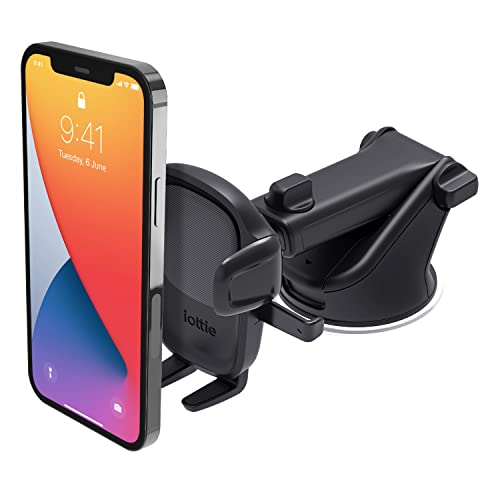
Vent mounts are fast and affordable, but on cars with dense A/C vents—like a Toyota Camry SE or a Honda Civic EX—the mount can block airflow and even crack flimsy vent blades if you overtighten. Dash/adhesive mounts offer a clean look and a stable base on models with generous dash real estate, such as the Ford F-150’s wide center dash; but sun exposure can soften adhesives and leave sticky residue on a Camry's graphite trim after a few summers. Windshield mounts sit high and give easy reach, but they glare in afternoon sun and can become a distraction on long highway drives.
For luxury or high-end interiors, OEM or vehicle-specific dash mounts are often the most reliable fit, and they usually integrate with factory aesthetics better. If you drive a Tesla Model 3, the slim center console and tall window line make a low-profile vent or dash mount a better bet than a bulky suction cup on the windshield. For off-road work or heavy phones (think iPhone 14 Pro Max with a thick case) in a Ford F-150, a robust vent mount with anti-tilt base will survive rough roads more reliably than light plastic mounts. If you use seat covers or have a large floor mat setup, verify the base doesn’t push the mount into edges that could rub or detach on rough terrain.
Fitment and Phone Size: Case Compatibility Matters
Most mounts advertise a clamp width of roughly 2.3 to 3.2 inches, which covers common phones and many cases. The challenge comes with large devices and bulky cases. An iPhone 14 Pro Max with an OtterBox Defender case is pushing 3.25 inches wide and over 0.6 inches thick at the grip; many budget mounts struggle to get a tight, non-slip hold on that combo, especially with the phone mounted in portrait orientation. For the Galaxy S23 Ultra and similar 6.8-inch phones, you’ll want a clamp that opens wide and has rubberized jaws that won’t mar aluminum frames or cameras.
Always verify the actual phone-external-dimensions with the case on before you buy. If you’re running a MagSafe or other magnetic mounting system, consider a dedicated MagSafe compatible unit or a non-magnetic option if your case includes a metal kickstand or heavy external battery pack. If you install in a Toyota Camry or Honda Civic, a mid-size clamp with a rotating head will typically accommodate the phone in both portrait and landscape modes without needing an extra accessory. If you frequently carry jump starters or have a trunk organizer and cleaning kit in the car, ensure the mount doesn’t collide with those items or the charging cables running to your phone.
Material Quality, Build, and Longevity
Quality matters more than you’d think. Cheap ABS plastic plus a weak spring will creak, slip, and eventually fail—often right after the second battery recharge or after a Georgia summer. A solid aftermarket mount should use metal arms (often aluminum) with a robust locking mechanism, and a non-slip base pad or a vent pad that protects the vent blades. If you’re looking at OEM-style mounts for a BMW 3-Series or a Mercedes C-Class, you’re paying for tighter tolerances and a dash-specific fit, which has a real payoff in noise, vibration, and long-term wear.
Heat exposure is the silent killer of mounts. In hot climates, adhesives soften, plastics fade, and metal joints can seize if not properly lubricated. When you buy, check the warranty period and the return policy. In a Ford F-150 or Chevy Silverado, you may want a heavy-duty mount with a torque-resistant base to resist the wobble caused by rough roads or pull-out from aggressive acceleration. If you use a car cleaning kit, trunk organizer, or a floor mat system, ensure the mount’s base sits flush and doesn’t scratch surfaces when you slide things in and out of the cabin.
Safety, Airbags, and Multi-Accessory Setup
The mount must stay out of airbag deployment zones. On cars with driver-side airbags mounted in the steering wheel, a dashboard clamp that sits high could impede deployable clearance. In a Tesla Model Y with a huge center display, avoid placements that obscure the driver’s field of view or interfere with the opening of the glovebox or center console. If you mount on the windshield, don’t place the phone so you have to glance away from the road for long moments when looking at navigation or messages.
Consider how additional accessories interact. An OBD2 scanner or a dash camera often shares the same space as a mount; ensure cords and suction cups do not snag or pull on important controls. A small car cleaning kit or trunk organizer in the back seat area should not collide with the mount or cause the phone to bounce when the vehicle moves. Route charging cables along the A-pillar or around the dash with cable clips to prevent snagging on pedals or floor mats. If you’re juggling a jump starter in the trunk or under the seat, keep that area clear so the mount and cables don’t get in the way of access or operation. Clip-on car air fresheners or vent-mounted scents near the mount can also affect airflow and should not collide with the mount’s vent clamp or base.
OEM vs Aftermarket: Value, Warranty, and Real-World Picks
OEM mounts, when available, usually fit perfectly and maintain the interior aesthetics, but they’re not cheap and often require ordering from a dealer or vehicle-specific catalog. For a Toyota Camry or Honda Civic, a reputable aftermarket mount with a low-profile base can deliver almost the same fit at a fraction of the cost, and most will match the texture and color of the dash. For high-end interiors like a BMW 3-Series or Audi A4, an OEM-style dealer accessory or a premium aftermarket mount with metal construction often makes more sense because fit tolerances are tighter and you’ll appreciate the absence of rattles at highway speeds.
Value isn’t just price; it’s service life, ease of use, and compatibility with your charging gear. If you regularly charge via USB-C PD or QC 3.0, pick a mount that provides a stable pass-through or a built-in charging dock rather than a clip that blocks the port or causes heat buildup. For off-road use, such as a Ford F-150 Raptor or Toyota 4Runner, choose a rugged clamp with anti-slip feet and a wide jaw that can accommodate a phone with a bulky case and still hold it firmly through rough terrain. If you routinely drive with trunk organizers, floor mats, or a jump starter stored in the cabin, select a mount that clears those items and keeps cords tidy and out of the way.
Frequently Asked Questions
Will vent mounts damage my car's vents?
Not if you use a mount with padded vent clamps and don’t overtighten. For cars with fragile plastic vents (some late-2010s Hondas), consider a dash or windshield mount to avoid stressing the blades.
How do I choose a mount for a large phone with a bulky case?
Look for a mount with a wide, rubberized jaw (at least 3.2 inches of opening) and a rotating head. Ensure there’s enough clearance around the camera and sensor area, especially on phones with protruding cameras.
Can a mount interfere with airbags or sensors?
Yes if placed in the deployment zone. Avoid mounts on the driver’s face near the steering wheel or in the airbag housing. If in doubt, test and move; many cars will tolerate a center dash or A-pillar mount without issue.
Are magnetic mounts safe with wireless charging?
Magnetic mounts can work with wireless charging if the magnets are designed to minimize interference and the phone is properly aligned. If you use a Qi charger in the car, ensure the magnet doesn’t create a hot spot or offset the charging coil.
Do OEM mounts fit my car?
Often yes, but availability varies by model. OEM options tend to cost more and have exact fitments; aftermarket options can offer better value while still delivering a solid fit if you pick from reputable brands.
What’s the quick-start guide for installing a mount?
Choose a location out of airbag zones, clean the surface, attach the base per instructions, insert the phone with case on, adjust the angle, and route the cable. Test driving to ensure nothing rattles or shifts is essential.
Choosing the right car phone mount is about fit, durability, and ease of use, not just price. By matching the mount style to your car’s interior, confirming phone and case fit, and prioritizing solid build quality, you’ll get a safer, more convenient drive on every trip—from a daily commute in a Toyota Camry to a weekend in a Ford F-150 or a coastal drive in a Tesla Model 3. Start by picking a style that fits your vehicle, test with your actual phone, and then align it with your charging setup and dash accessories for a clean, reliable cockpit.


