

Easter Car Care Essentials
🏆 Top Picks at a Glance
 #1
#1
Best Overall
tplaotee Colorful Easter Eggs Flowers Premium Leather Car Registration and Insurance Holder Truck Accessories for Cards, Essential Document Driver License
$18.99
Check Price → #2
#2
Runner Up
tplaotee Easter Bunny Carrots Eucalyptus Pu Leather Car Registration and Insurance Holder Wallet Accessories Case for Essential Document, Driver License, Cards
$18.99
Check Price →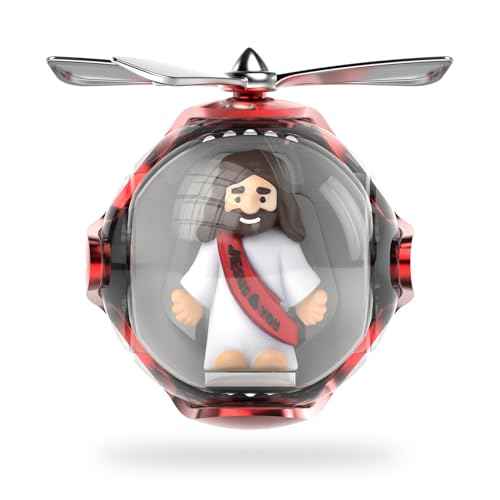 #3
#3
Best Value
Jesus Loves You Car Air Freshener with 6-Color Auto Light Up & 4 Scented Pads – Light Fragrance, Decorative Auto Accessories, Cute Easter Decoration, Mother's Day and Father's Day Small Gifts
$13.99
Check Price →Our Top Picks
Affiliate disclosure: if you buy through these links, we may earn a commission at no extra cost to you.
Factors to Consider
1. Fitment and Vehicle-Specific Design
⚡ Quick Answer
Choose products that list your exact make, model, and year. Vehicle-specific floor mats, seat covers, and dash accessories fit without trimming or probe-and-fit frustration, which keeps retention hooks and airbags working as intended. For popular lines, look for patterns described as 3D laser-measured or “custom fit” rather than generic, universal options. If your car has unique anchors or heated seats, verify compatibility before purchase to avoid aftermarket fitment gaps.
Table of Contents
2. Material Quality, Durability, and Weather Resistance
All-weather rubber or thermoplastic elastomer (TPE) mats typically outlast carpet mats in salt, mud, and summer heat, and they’re easier to clean with a hose. Carpet mats look nicer but absorb moisture and stains more readily; they often wear faster in high-use areas like driver feet. For seat covers, look for abrasion-resistant fabrics and a backing that won’t slip; this reduces wear and maintains a neat interior over time. OEM mats usually use durable factory-grade materials, while reputable aftermarket brands should match or exceed that durability at a lower price.
3. Safety, Compatibility, and Installation
Seat covers, dash mats, and phone mounts must not interfere with airbags, seat controls, or visibility. Choose airbag-safe seat covers specifically labeled for compatibility with side and front airbags. For floor mats, ensure retention hooks and anchors are compatible with your vehicle’s floor anchors to prevent sliding under pedals or shifting during operation. In short: avoid universal accessories in favor of vehicle-specific or brand-approved options whenever safety is a concern.
4. OEM vs Aftermarket: Value, Warranty, and Longevity
OEM parts typically guarantee exact fit and consistent finish, but at a premium price. Aftermarket options from established brands can match fit and durability with substantial cost savings, often backed by multi-year warranties; always check the warranty length and what it covers (color fading, cracking, or wear). If you’re chasing long-term value, a well-reviewed aftermarket mat or cover with a solid warranty is usually the smartest bet, unless you need guaranteed OEM fit for a pristine showroom look.
5. Maintenance, Cleaning, and Longevity
All-weather mats are generally the easiest to clean and dry quickly after spills, while carpet mats require regular vacuuming and occasional cleaning to prevent staining. Look for mats with non-slip backing that stay in place in hot or cold weather; poor backing leads to cradle wear and pedal interference. For cleaning accessories, choose compatible brushes and mild detergents that won’t degrade the surface or color over time.
Frequently Asked Questions
How do I ensure floor mats fit my exact make and model?
Start with vehicle-specific or model-year-appropriate options and confirm they match your floor anchor layout. Check product pages for fit notes and, if possible, compare the mat shape to your factory mats. If you have unusual trim or aftermarket flooring, contact the seller to verify compatibility before buying.
Are OEM floor mats worth the extra cost?
OEM mats guarantee the closest possible fit and color match, with factory retention hooks designed for your car. They tend to last longer in the original weave and color, but reputable aftermarket options can offer similar durability at a lower price with proper installation and maintenance.
Can universal mats be safe with airbags and seat controls?
Universal mats can be safe if they’re designed for your vehicle and include compatible retention systems; otherwise they may slip or interfere with pedals. For airbags and seat controls, prioritize vehicle-specific or airbag-certified products to avoid compromising safety in a crash or during seat adjustment.
What should I look for in a seat cover to avoid interfering with airbags?
Choose seat covers labeled as airbag-safe or compatible with side airbags, and ensure the installation preserves access to seat controls and the seat belt anchor. Avoid bulky padding or elastic bands that can bunch up and block deployment paths during inflation.
How do I pick a reliable OBD2 scanner?
Ensure the scanner supports the SAE J1979 OBD-II standard and, if needed, CAN bus data for your year and make. Look for live data streaming, freeze-frame data, and code definitions; Bluetooth or Wi‑Fi connectivity is a plus for quick smartphone access. For newer or less common vehicles, verify compatibility with your specific model before purchasing.
What features matter most in a jump starter?
Peak current (enough to crank your engine) and proper safety protections (reverse polarity, short circuit protection) are essential. A built-in air compressor and USB charging options add value for road trips, but prioritize quality and compact design over gimmicks for reliable starts in cold weather.
Do car covers and dash accessories affect sensors or electronics?
Quality, breathable car covers reduce paint damage but avoid very tight fits that can rub or trap moisture. Dash accessories should avoid obstructing instruments or sensors; mount phones and devices where they don’t block visibility or airbag deployment zones.


