

Best Steering Covers for Spring
🏆 Top Picks at a Glance
 #1
#1
Best Overall
Valleycomfy Microfiber Leather Steering Wheel Cover Universal 15 inch (Black)
$15.99
Check Price →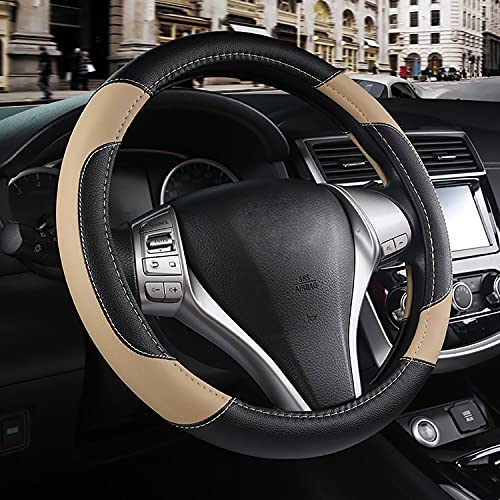 #2
#2
Runner Up
Leather Car Steering Wheel Cover, Non-Slip Car Wheel Cover Protector Breathable Microfiber Leather Universal Fit for Most Cars(Beige)
$14.99
Check Price → #3
#3
Best Value
SEG Direct Car Steering Wheel Cover Universal Standard Size 14.5-15 inch, Black Microfiber Leather
$13.47
Check Price →Our Top Picks
Affiliate disclosure: if you buy through these links, we may earn a commission at no extra cost to you.
Factors to Consider
Material quality and feel
⚡ Quick Answer
Spring steering covers should balance grip, durability, and interior feel. Genuine leather offers a premium touch and longer life but at a higher cost and potential staining from pollen and moisture; PU leather provides similar aesthetics at a lower price with better water resistance. Neoprene or knit fabrics excel in damp mornings and humid days, delivering solid grip but typically wearing faster than leather and needing more frequent cleaning. Check stitching quality and edge binding; double-stitched seams and reinforced cuffs resist wear on daily drivers like Honda Civic and Toyota Camry.
Table of Contents
Fitment, sizing, and installation
Most steering wheel covers come in universal fits for 14.5–15.0 inch wheels, with larger and smaller sizes advertised as 14–14.5 or 15.5–16 inches. To ensure a proper fit, measure your wheel’s diameter across the rim and compare to the product’s size chart; a loose cover can slip and a tight one can interfere with airbag deployment. Installation usually involves stretching the cover over the wheel in a ring-and-stretch process; avoid using excessive force on the seam to prevent rips. For modern vehicles with airbags, ensure the cover is listed as compatible with airbag-equipped wheels and avoid thick padding that could impede the deploy sequence in cars like the Toyota RAV4 or Honda CR-V.
Spring weather and maintenance
Spring brings more humidity and pollen, which can dampen and stain lighter-colored covers; choose water-resistant finishes if you wash your car regularly. Leather covers look premium but may darken or stiffen slightly with moisture; PU leather or neoprene handles moisture better and cleans with a quick wipe. Regular cleaning—hand wash or wipe-down with a mild detergent—extends the life of the cover and prevents pollen buildup that can transfer to your hands during driving. If you drive a car with a light-colored interior, consider a cover with a breathable inner lining to resist sweat and condensation during long spring commutes.
Comfort, ergonomics, and driving experience
Padding thickness and grip texture influence hand fatigue on longer drives; a 0.5–1.0 inch layer is common and can reduce numbness on long trips in a Toyota Sequoia or Subaru Outback. Look for stitched finger grips or contouring that aligns with how your hands rest at 9 and 3 o'clock; poor alignment causes hand strain. A well-chosen cover should feel natural without adding excessive bulk that makes steering less precise, especially for performance-oriented drivers who track or tow with a Jeep Wrangler or Ford Mustang.
Value, OEM vs aftermarket quality and warranties
OEM or dealership options are rare in steering covers; most buyers rely on aftermarket brands that offer mapped sizing and guaranteed fit; value comes from material choice and stitching quality. In the under-$20 range you’ll typically get vinyl or thin neoprene that lasts a season, while mid-price options ($20–$40) use higher-grade PU or real leather alternatives with better durability and UV resistance. Higher-end leather or premium microfiber options can approach OEM feel but watch for dye bleed and warranty terms; choose brands with tested fit on common models like Toyota Camry, Honda Accord, and Ford F-150 to minimize fit issues.
Frequently Asked Questions
Are steering wheel covers universal or model-specific?
Most aftermarket covers are designed for universal fit, typically for wheels in the 14.5–15 inch range. Fit can vary for larger or smaller wheels, and some models with heated or multi-stage airbags may require a specific size or avoided options. If you’re unsure, look for model-specific notes or choose brands that provide precise charts for cars like the Toyota Camry, Honda Civic, or Ford F-150.
How do I install a steering wheel cover?
Begin by turning the wheel to a convenient position and centering the cover over the top. Stretch evenly around the rim while rotating the wheel; use a helper if the cover is tight. Avoid pulling on seams with excessive force to prevent rips, and ensure the fit does not obstruct airbag deployment in any location on the wheel.
Will a steering wheel cover affect airbag deployment?
Yes, poorly fitting or overly thick covers can interfere with airbag inflation. Always verify that the product is rated compatible with airbags and follow the manufacturer’s installation instructions. If in doubt, opt for thinner, lighter-weight covers and avoid padding near the rim.
What material is best for spring weather?
Consumer reviews consistently rate neoprene and microfiber for grip in damp spring mornings, while PU leather balances feel with durability at a lower price. Leather looks premium but can stain or stiffen with pollen and humidity; select based on climate and how you clean the wheel. Breathable linings help prevent sweat buildup on longer drives.
Can a steering wheel cover improve grip in rain?
Yes, textured surfaces such as neoprene or microfiber tend to maintain better grip when hands are damp. Avoid very smooth vinyl or glossy finishes that can slip more easily in rain. Check user reviews for grip performance on vehicles similar to yours to gauge real-world performance.
How do I clean and maintain a steering wheel cover?
Most covers wipe clean with mild soap and water; avoid harsh solvents that can damage material or dye. Leather covers may require occasional conditioner per the manufacturer’s guidance, but allow ample drying time to prevent slickness or staining. Regular cleaning is especially important in spring when pollen and dirt accumulate quickly.
Conclusion
A well-chosen steering wheel cover for spring should blend material quality, proper fit, and practical maintenance with a price that makes sense for your vehicle. For most daily drivers, a mid-range PU leather or breathable neoprene cover offers the best balance of feel, durability, and value across models like the Toyota Camry, Honda Civic, and Ford F-150. Pick a size that truly fits your wheel and you’ll gain grip, protection, and a nicer interior without breaking the bank.


