

Best Car Phone Mounts for Father's Day 2026 2026
🏆 Top Picks at a Glance
 #1
#1
Best Overall
VANMASS 【2026 Strongest & Military-Grade Car Phone Mount 【Patent & Safety】 Ultimate Cell Phone Holder Best Handsfree Dash Windshield Vent for iPhone 17 Pro Max 16 15 Android & Truck Desk Mounts, Red
$28.99
Check Price →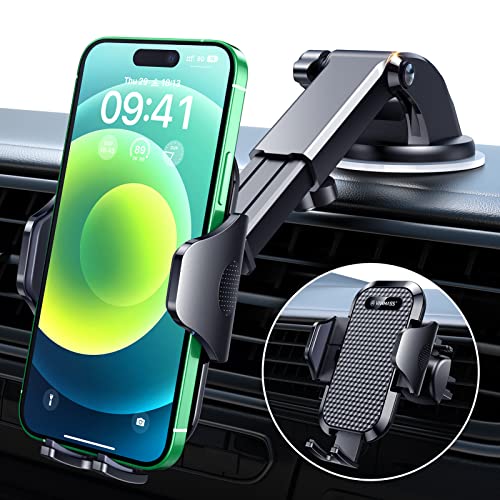 #2
#2
Runner Up
VANMASS Phone Holders for Your Car 2026 Upgraded Military-Grade Car Phone Holder【90+LBS Strongest Suction】Cell Phone Mount Truck Stand for Dashboard Windshield Vent for iPhone 17 Pro Max 16 15 Android
$27.99
Check Price →![VANMASS [Pro Version] Universal Car Phone Mount [2026 Super Suction Cup] Phone Holder for Car, Cell Phone Car Mount for Windshield Dash Vent Truck Stand for iPhone 17 Pro Max 16 15 14 Samsung Android](https://m.media-amazon.com/images/I/41SnqBIdUzL._SL500_.jpg) #3
#3
Best Value
VANMASS [Pro Version] Universal Car Phone Mount [2026 Super Suction Cup] Phone Holder for Car, Cell Phone Car Mount for Windshield Dash Vent Truck Stand for iPhone 17 Pro Max 16 15 14 Samsung Android
$26.95
Check Price →Our Top Picks
Affiliate disclosure: if you buy through these links, we may earn a commission at no extra cost to you.
Factors to Consider
Frequently Asked Questions
Will a phone mount damage my dashboard or windshield?
Adhesive mounts can permanently mark soft-touch dashboards (especially common on 2015+ BMW, Mercedes, and Audi interiors) and leave residue that's difficult to remove. Windshield mounts are safe on laminated glass but can fail if applied to cracked glass or in extreme heat cycles. Use suction cup mounts on dashboards as an alternative if you're concerned about residue, though they're less stable on textured surfaces.
Can I use the same mount for my iPhone 13 and my wife's Samsung Galaxy S24?
True universal mounts with adjustable grips work across phone sizes (roughly 4.5 to 7 inches), but they rarely accommodate both thick cases and bare phones equally well. You'll need to test your specific case thickness—anything over 4mm may require choosing between case protection or mount security. If you're swapping phones frequently, a vent mount with independent adjustable arms gives you the most flexibility without requiring different adapters.
How do I prevent my phone from sliding in the mount during hard braking?
Cheap friction mounts fail during 0.7G+ braking events (common in emergency stops), while quality mounts with locking mechanisms hold phones securely up to 1.2G forces. The solution is using a mount with adjustable tension screws and rubber pads rated for phone security, not just marketing claims. If you drive aggressive routes regularly (delivery drivers, performance car owners), test the mount with a brick-weight object during a hard stop before trusting your phone.
Is a windshield mount better than a dashboard mount for GPS navigation?
Windshield mounts provide superior eye-level viewing for navigation without breaking your sightline, making them ideal for road trips and unfamiliar routes. However, they reduce forward visibility in some U.S. states (check local laws), and suction cups can fail in vehicles without laminated windshields or in extreme heat above 140°F. For daily commutes, a dashboard mount angled toward you works just as well and avoids visibility and legal concerns.
What's the difference between magnetic and grip-based mounts?
Magnetic mounts use metal plates adhered to your phone or case to hold it in place; they're faster to deploy but the metal plate interferes with wireless charging and can scratch phone backs over time. Grip-based mounts use adjustable claws or arms that hold the phone frame or sides; they don't interfere with charging but require proper tension adjustment to avoid cracking phone frames. If you use wireless charging or are concerned about phone damage, a quality grip mount is safer; magnetic is only worthwhile if you remove your phone 10+ times daily.
How do I choose between a vent mount and a suction cup mount?
Vent mounts are fastest to install (30 seconds) and safest for your dash, but they block AC/heat airflow and don't work well in vehicles with diagonal or horizontal louvers—common in Toyota, Honda, and Ford interiors. Suction cup mounts work on any dash surface and provide better stability, but they require a clean windshield or dash and can leave residue marks on soft-touch interiors. Test both on a borrowed mount first if you have a newer luxury or midsize vehicle; vent mounts are ideal for older trucks and economy cars.
Will my phone mount wobble at highway speeds?
Quality mounts with rigid arms and tight ball joints eliminate wobble entirely, even on rough highway surfaces; cheap mounts with loose joints and plastic springs will vibrate noticeably at 60+ mph. Steering input vibration and road texture vary by vehicle type—trucks and SUVs are rougher than sedans—so test the mount on your specific vehicle before judging stability. If wobble is an issue, upgrading to a shorter arm, stiffer material, or a lower mounting position (closer to the dash or vent) reduces vibration significantly.
Conclusion
A quality car phone mount isn't a luxury—it's a safety and navigation essential that pays for itself through reduced distracted driving and GPS reliability. Invest $25-35 in an aluminum-construction mount with adjustable grips from a brand with proven longevity, and you'll have 4+ years of trouble-free use regardless of your vehicle type or climate. Skip the $10 discount mounts and premium design brands; the value is in the middle ground where durability meets practicality.


