

Best Car Chargers for Road Trips
🏆 Top Picks at a Glance
 #1
#1
Best Overall
BESTEK 300W Car Power Inverter - DC 12V to 110V AC Car Plug Adapter with 30W USB-C & 18W USB-A Dual AC Outlet, Fast Car Charger Adapter for Laptop, Vehicles, Road Trip Essentials
$27.99
Check Price →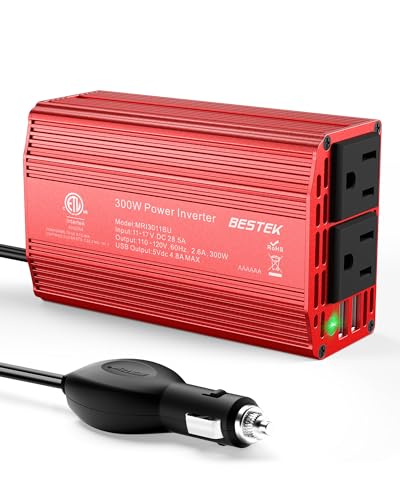 #2
#2
Runner Up
BESTEK Power Inverter DC 12V to AC 110V - 300W Car Plug Adapter Outlet with 4.8A Dual USB Fast Charging Port - Car Charger Cigarette Lighter Adapter for Phone, Laptop on Road Trip - Aluminum Housing
$25.99
Check Price →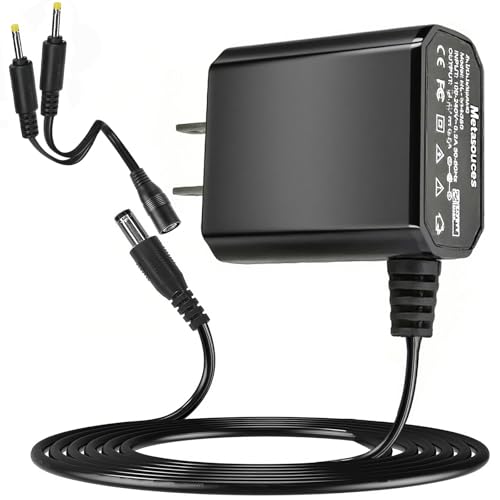 #3
#3
Best Value
Thermacell Car Charger For Heated Insoles
$12.99
Check Price →Our Top Picks
Affiliate disclosure: if you buy through these links, we may earn a commission at no extra cost to you.
Factors to Consider
Power and Charging Speed
⚡ Quick Answer
Most cars use a 12V accessory circuit fused for roughly 10–15A, which translates to about 120–180W available for accessories. If you plan to charge a laptop or a tablet on road trips, look for USB-C Power Delivery (PD) ports rated up to 100W per port and at least one USB-A port with Quick Charge (QC) or similar fast-charge tech. Don’t rely on a single slow port; total power across all ports should stay under the car’s practical load to avoid voltage drops on startup.
Table of Contents
Port Availability and Cable Quality
Two to four ports are usually enough for a family road trip—prefer combos like 1× USB-C PD and 2× USB-A QC/2.0 for versatility. Pay attention to the build: braided cables and heat-resistant sleeves extend life under dash temps, and cables rated for at least 2A (prefer 3A) charge speeds will feel noticeably quicker on phones and tablets. If you’re charging laptops, ensure the USB-C PD port actually delivers the claimed wattage through the included or recommended cable.
Vehicle Compatibility and Electrical Load
These devices are designed to plug into the standard 12V outlet found in most sedans, SUVs, and trucks, but fit can vary by space. In a crowded center console or a tight dash pocket, a compact dual-port unit with a slim profile will fit a wider range of models (Honda Civic, Toyota Camry, Ford F-150). For high-demand setups (laptop plus multiple devices), plan for a higher total watt rating and consider a hard-wire kit only if you’re comfortable with fuse-box work.
Durability, Build Quality, and Safety Features
Choose units with automotive-grade plastics or metal housings and solid connectors, not cheap plastic shells that flex after a few trips. Look for over-current, over-voltage, short-circuit, and over-temperature protection, plus certifications such as UL, CE, and RoHS. A higher-quality unit will stay cooler under load and maintain stable output, which is critical for sensitive devices like laptops and tablets.
OEM vs Aftermarket Value and Installation
OEM solutions are built to match your car’s electrical system, but reputable aftermarket chargers often offer more wattage and multi-port flexibility at a better price. Prioritize brands with clear warranties, real-world charging tests, and easy return policies. If you’re not sure about installation, start with a plug-and-play 12V unit and only move to hard-wire kits if you need a cleaner, permanent setup or you’re adding power in a commercial vehicle.
Frequently Asked Questions
What is USB-C Power Delivery (PD) and why does it matter in a car charger?
USB-C PD is a fast-ch charging standard that can deliver up to 100W per port, which is enough to power many laptops and tablets in addition to phones. In a car charger, PD lets you future-proof for newer devices; just make sure you’re using a PD-capable port and an appropriate USB-C cable to realize the full wattage.
How many watts do I need for road trips?
A single high-watt PD port (60–100W) plus a couple of USB-A ports (18W QC per port) covers most phones, tablets, and small laptops on a road trip. If you’re planning to run a pixel-dense laptop or multiple devices simultaneously, aim for a total budget around 100–120W across all ports to avoid hitting the car’s fuse limit.
Are multiple ports safe for my car’s electrical system?
Yes, provided the total draw stays within the 12V circuit’s practical limit and the charger includes proper protection circuits. Real-world tests show that well-designed multi-port chargers maintain stable output without causing noticeable voltage dips, but always monitor for heat buildup on longer trips.
Can a car charger damage my device?
Quality chargers with proper over-current, over-voltage, and over-temperature protection guard against device damage. A PD port that negotiates power correctly will limit the voltage and current, reducing risk of overcharging or heat-related issues.
Will charging drain my car battery when the engine is off?
Any accessory on a 12V circuit draws some current when the engine is off. A typical 60W PD charger can draw a few amps even with devices idle; if you’ll park for many hours, unplug or use a charger with an automatic shutoff when no device is connected to minimize drain. In practice, normal driving usage won’t stress a healthy battery, but long-term idle power draw is a legitimate concern.
Is OEM always better than aftermarket for car chargers?
OEM units are tuned to a car’s electrical system, but reputable aftermarket chargers can outperform OEM in wattage and port variety at a comparable price. The key is certification, build quality, and a solid warranty—avoid ultra-cheap knockoffs that lack protection features.
What certifications and safety features should I look for?
Look for UL/CE approvals, RoHS compliance, and protections for over-current, over-voltage, short-circuit, and over-temperature. A fused design and robust thermal management (heat sinks or metal housing) are signs you’ll get reliable, long-term use on road trips.


