

Best Car Air Fresheners for Spring
🏆 Top Picks at a Glance
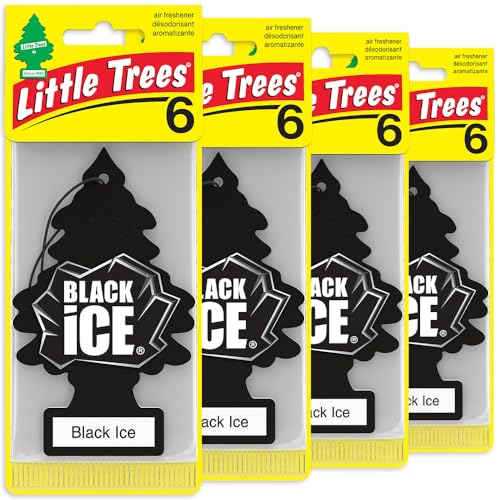 #1
#1
Best Overall
LITTLE TREES Car Air Freshener | Hanging Tree Provides Long Lasting Scent for Auto and Home | Black Ice, 24 Air Fresheners
$18.99
Check Price → #2
#2
Runner Up
Air Jungles New Car Scent Car Air Freshener Vent Clip, 6 Count Long Lasting Up to 180 days, Natural Essential Oil Car Fragrance for Women and Men, Odor Eliminator - 4ml Each
$11.18
Check Price → #3
#3
Best Value
Drift Car Air Freshener - Wood Air Freshener - Car Odor Eliminator - Teak Scent Starter Kit
$11.01
Check Price →Our Top Picks
Affiliate disclosure: if you buy through these links, we may earn a commission at no extra cost to you.
Factors to Consider
Scent Type and Longevity
⚡ Quick Answer
Don't waste money on cheap gel fresheners that go flat after two weeks. Quality matters here—genuine vent clips with essential oil formulations last 30-45 days minimum, while the dollar-store knockoffs lose potency in half that time. If you're running a daily driver, invest in a refillable system or rotating stock of solid fresheners; they're more cost-effective long-term than constantly replacing one-shot products. Check the label for actual scent duration claims backed by the manufacturer, not vague marketing language.
Table of Contents
Installation and Dashboard Compatibility
Most vent clips fit standard horizontal vents found on Hondas, Toyotas, and Fords, but some dash-mounted designs won't clear your windshield or instrument cluster depending on your vehicle's setup. Measure your vent opening before ordering—older vehicles like pre-2010 F-150s and Civics often have narrower slots that reject aftermarket clips. Hanging fresheners need at least 6 inches of clear headroom from your rearview mirror, and trunk-mounted options require proper ventilation to avoid chemical smell buildup that'll make you gag within a week.
Material Quality and Off-Gassing
Cheap plastic housings break under sun exposure and release plastic smell that defeats the entire purpose of adding fragrance. Look for UV-resistant materials and avoid products with strong chemical odors out of the box—that's a sign of low-grade solvents and poor manufacturing. Premium brands use food-grade or automotive-grade materials that don't degrade or leach into your upholstery; budget products often stain light-colored interiors if they tip over.
Natural vs. Synthetic Scents
Natural essential oil-based fresheners typically cost 20-30% more upfront but won't trigger headaches on long drives like synthetic fragrances do. Synthetic options are stronger and last longer in theory, but they can leave a chemical residue on your windshield and attract dust to your vents. For sedan commutes and work vehicles, synthetic is acceptable; for weekend cruisers where you're spending hours in the cabin, go natural or at least hybrid formulations.
Value for Money vs. OEM Dealer Options
Factory air fresheners from dealerships are overpriced luxury—you're paying 40-60% markup for the same basic materials and scent quality as mid-range aftermarket products. Buying in bulk (3-packs instead of singles) cuts your per-unit cost by 15-25% without sacrificing quality. Compare cost-per-day longevity: a $12 vent clip lasting 45 days costs roughly $0.27/day, while a $3 dealer clip lasting 15 days costs $0.20/day upfront but becomes expensive when you're replacing it three times as often.
Frequently Asked Questions
How long do car air fresheners actually last?
Quality vent clips and solid fresheners last 30-45 days under normal driving conditions, while cheaper gel products fade after 2-3 weeks. Duration varies by ambient temperature—hot climates accelerate scent evaporation, so expect 20-30 days if you park in the sun regularly. Check manufacturer specs rather than trusting the brand name; some premium products last 60+ days if you rotate between two and let them "rest."
Can air fresheners damage my car's interior?
Low-quality liquid or oil-based fresheners can stain fabric seats and dashboards, especially light-colored leather or suede. Hanging types that swing against your windshield may cause adhesive residue, and some synthetic formulations leave an oily film on glass over time. Stick with vent-mounted or solid options, keep them away from direct contact with upholstery, and avoid oversaturated products that drip during hot weather.
Which air freshener type fits most vehicles?
Horizontal vent clips are the most universal option—they work on 90% of domestic trucks, most Japanese vehicles, and newer European cars manufactured after 2005. Hanging fresheners work on any vehicle but require clear rearview mirror space and aren't ideal for families with young kids who might grab them. Dashboard adhesive mounts are hit-or-miss depending on your dash material and curvature; test fit before committing if your vehicle has a heavily textured or angled dash.
Do expensive air fresheners work better than cheap ones?
Price correlates with longevity and material quality, not always scent strength—expensive brands use better solvents and UV-resistant housings that prevent premature degradation. You'll notice the difference around week 3: premium fresheners maintain their scent while budget products have faded to barely noticeable. The real value is replacement frequency; spending $15 on a 45-day freshener beats buying $3 units every 14 days.
Are natural or synthetic scents better for allergies?
Natural essential oil fresheners trigger fewer headaches and allergic reactions on long drives, though some people are still sensitive to specific oils like lavender or eucalyptus. Synthetic fragrances are more potent and may cause itchy eyes or sinus irritation within an hour of driving, especially in poorly ventilated older vehicles. If you or passengers have sensitivities, start with unscented or very light natural options and test for 15-20 minutes before committing to an 8-hour road trip.
Will air fresheners work with my cabin air filter?
Yes, they work independently—fresheners mask odors while cabin filters trap pollen and particulates, so using both is actually ideal for spring driving. A quality HEPA cabin filter (replaced annually) removes 99.97% of allergens, and a light freshener adds pleasant scent without chemical overload. Don't rely on fresheners alone if you have allergies; upgrade your cabin filter first, then add a freshener for subtle spring fragrance.
Can I use air fresheners in places other than my car?
Most automotive fresheners are formulated specifically for confined spaces with ventilation systems, so they work fine in small offices, bathrooms, or closets—but they're overkill for large rooms. Vent-mounted and hanging types won't fit standard home applications; save those for your vehicle. Solid fresheners and gel pods can migrate to home use if you buy extras, but you're better off purchasing general-purpose room fresheners for non-automotive spaces.
Conclusion
Spring air fresheners are one of the few car accessories where mid-range brands deliver genuine value—don't cheap out on $2 knockoffs that fade in two weeks or overpay for dealer-branded luxury. Stick with vent-mounted clips or solid fresheners from established automotive brands, prioritize longevity over scent strength, and rotate products every 30-45 days for consistent cabin freshness.
For most drivers, a quality 30-45 day freshener at $10-15 strikes the right balance between cost, durability, and scent quality. Test fitment compatibility with your specific vehicle before ordering, avoid oil-based products if you have light upholstery, and go natural essential oils if anyone in your vehicle suffers from allergies or headaches during long drives.


